With What Accuracy Levels Can We Get Away in Computer Vision?
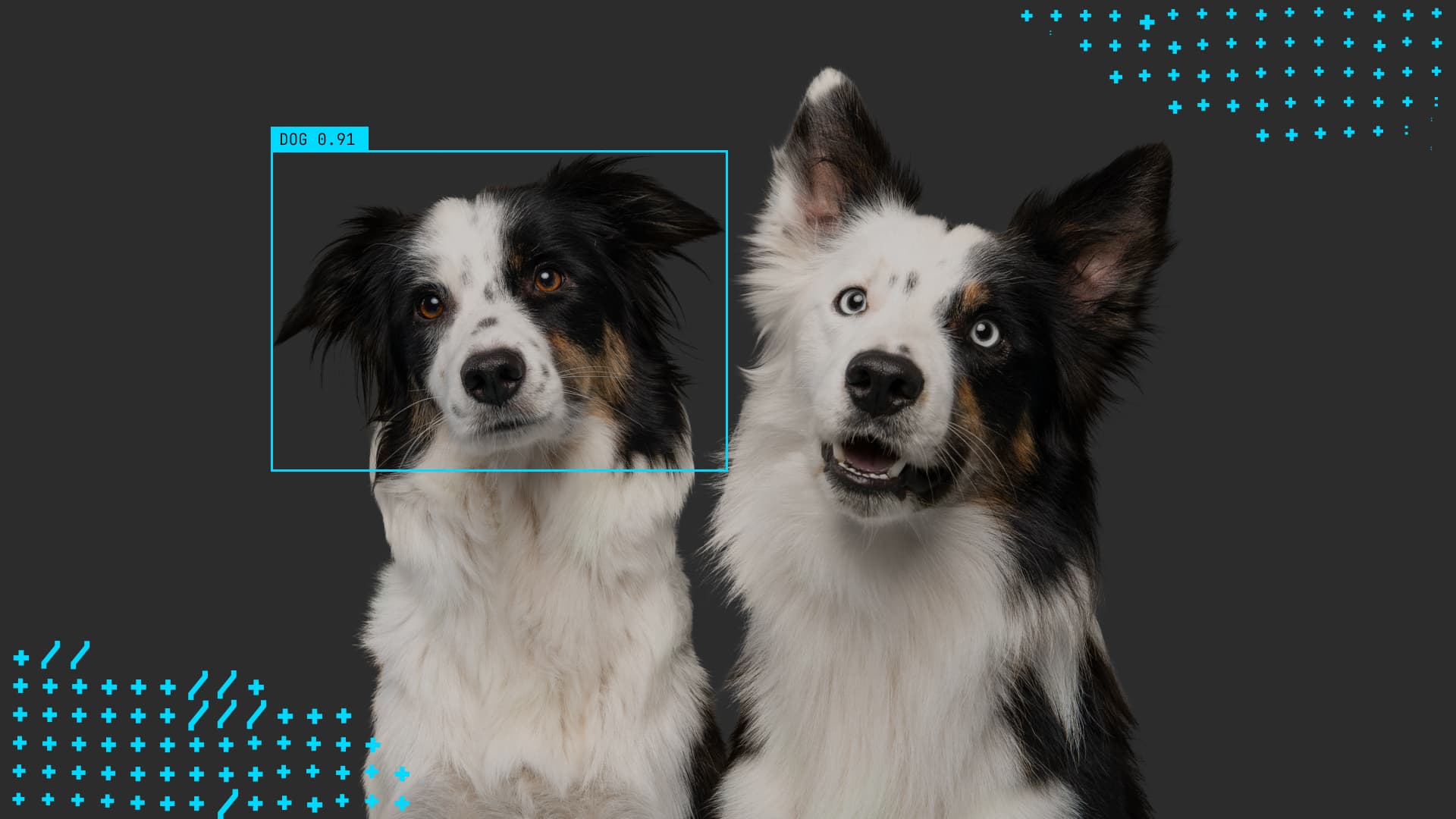
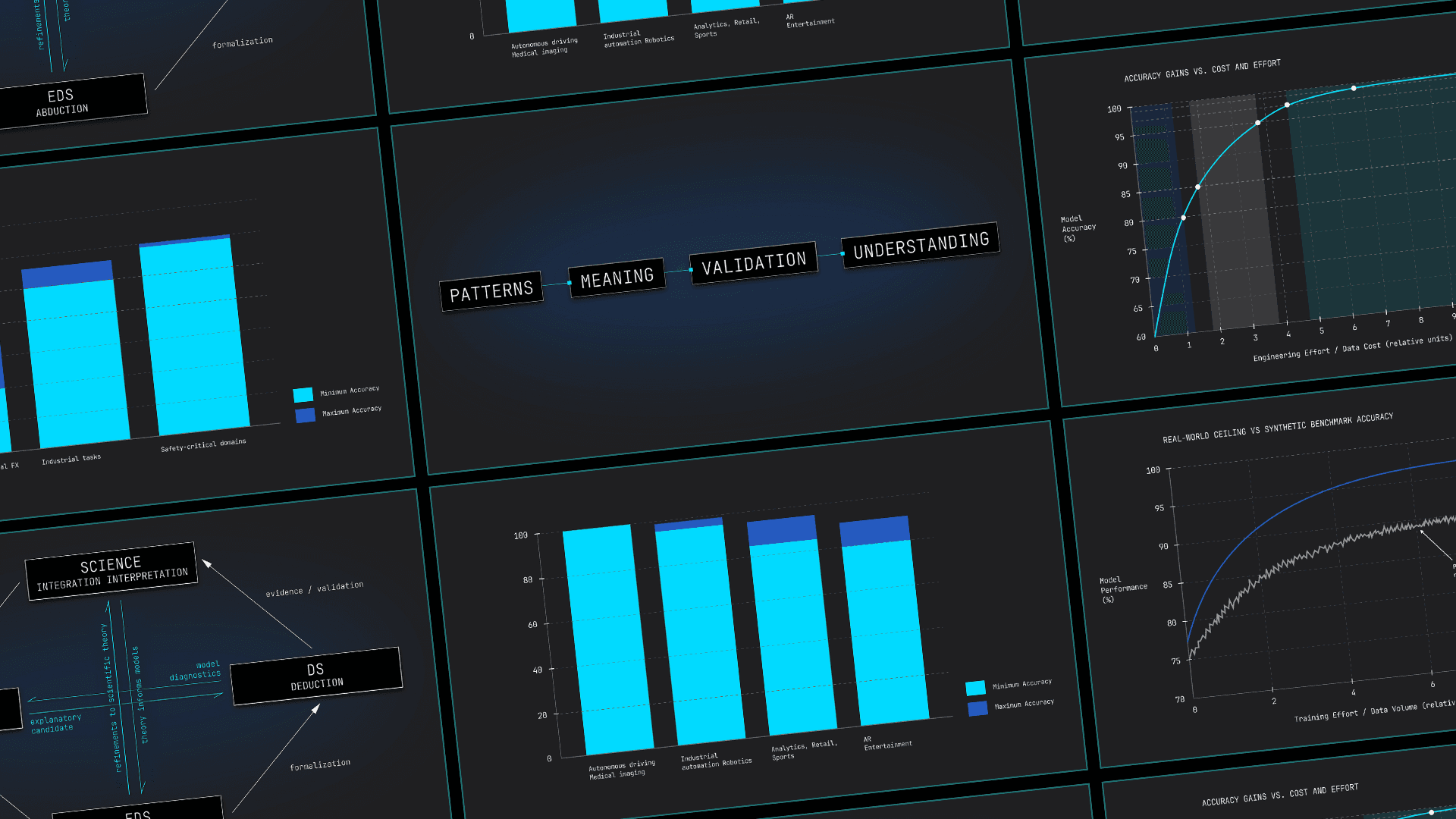
There’s no magic number. No single threshold that separates “good” from “bad.” 80%, 90%, 99% — these values mean nothing until you define the context: dataset complexity, operational risk, and task type.
7 pillars of trust: how to build AI you can truly trust?
Check out the major criteria every trustworthy AI system should meet, and why they matter for building reliable and responsible models.
Metrics in Data Science: Beyond the Basics
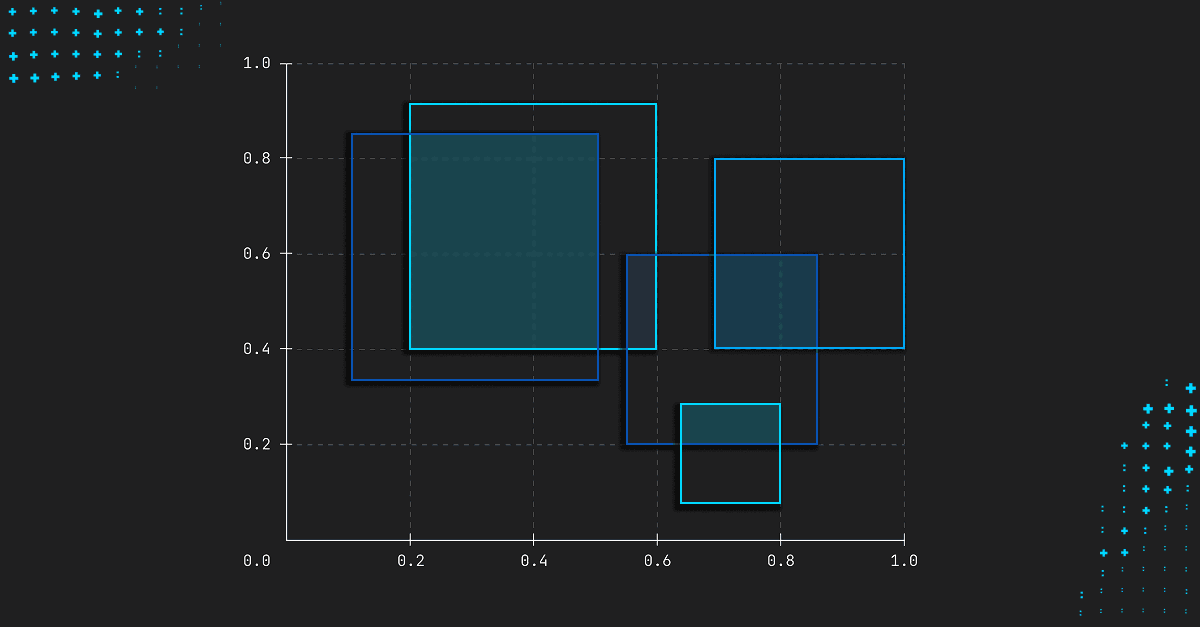
This article covers the fundamental metrics everyone learns early on, and then pushes further into the advanced territory where models meet reality: image segmentation, object detection, and model drift over time. That’s where evaluation becomes not only technical, but mission-critical.

Transparent ROI (Return on Investment) of Synthetic Data
Estimating the financial costs and benefits of implementing a Synthetic Data Cloud
What is Hyperparameter Tuning?
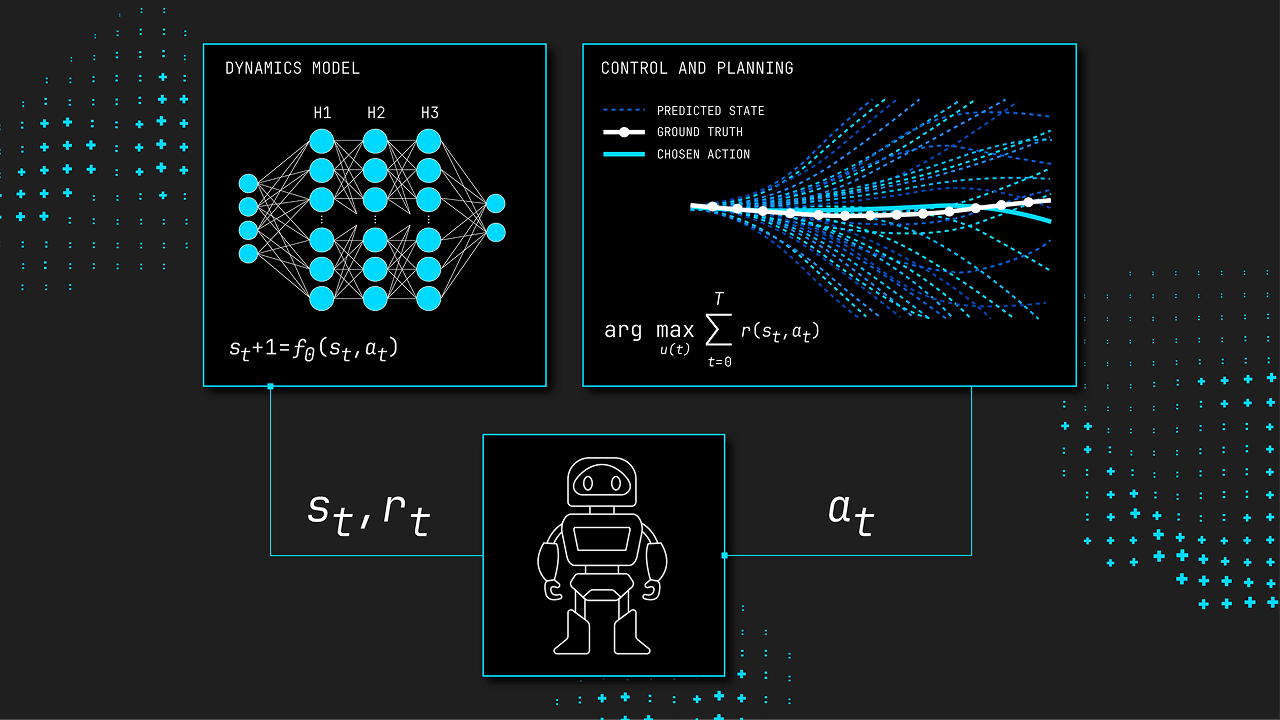
The goal of hyperparameter tuning is to fine-tune the hyperparameters so that the machine can build a robust model that performs well on unknown data. Effective hyperparameter adjustment, in conjunction with excellent feature engineering, may considerably improve model performance.

What is StyleGAN-T?
StyleGAN-T is a text-to-image generation model based on the architecture of the Generative Adversarial Network (GAN). GAN models were obsolete with the arrival of diffusion models into the picture generation space until StyleGAN-T was released in January 2023.
What is Dataset Distillation?
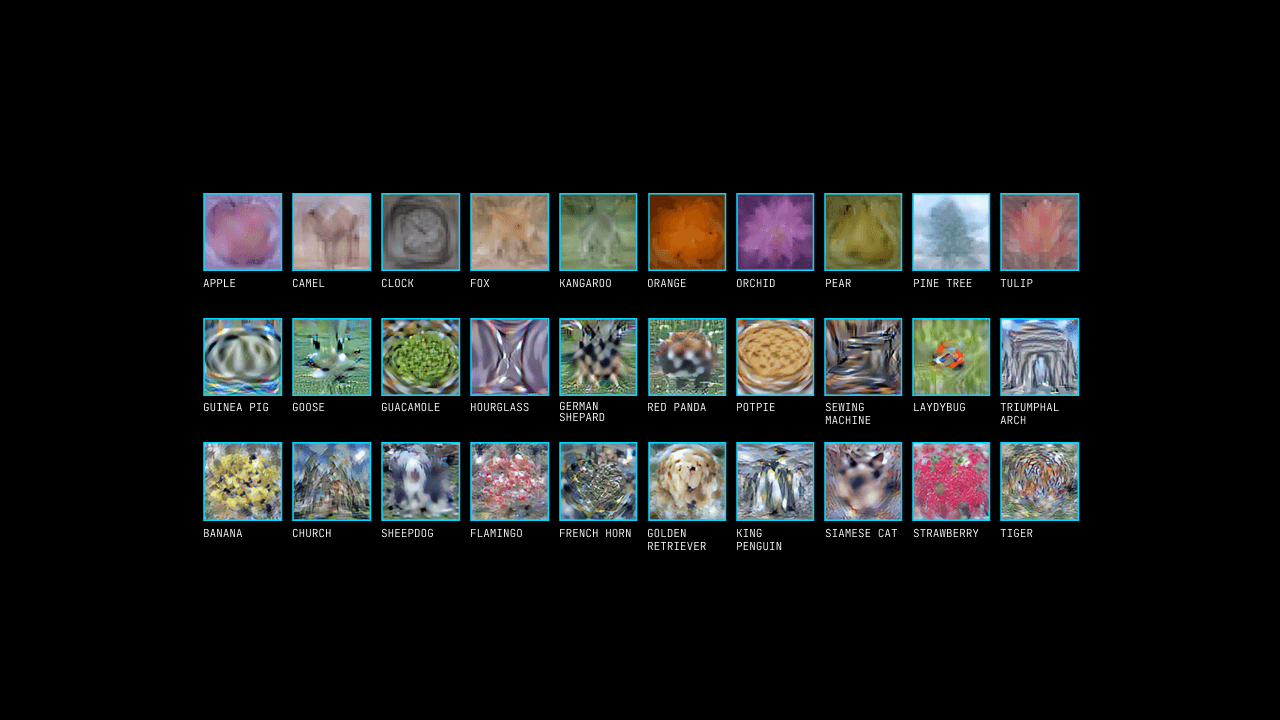
Dataset Distillation is the process of choosing a subset of data samples that capture the most essential and representative aspects of the original dataset. It's used to reduce the processing needs of the training operations while retaining critical information.
What is Mask R-CNN?
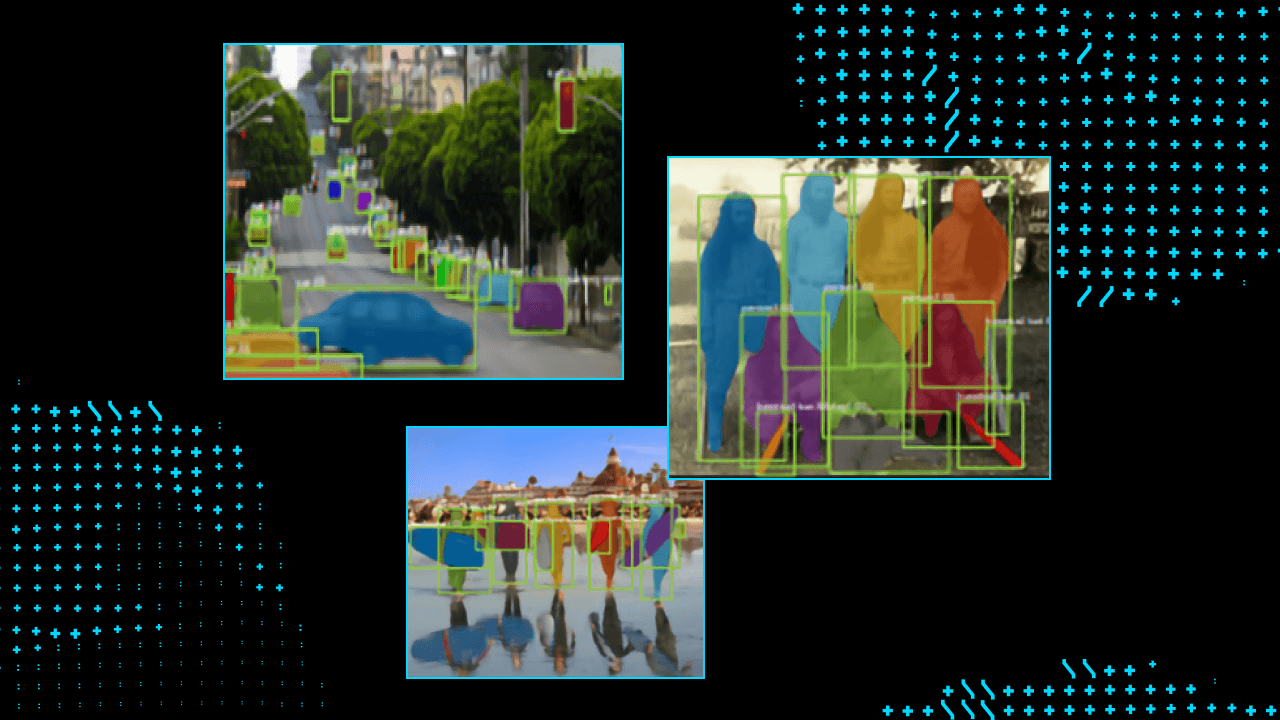
Mask R-CNN, or Mask Region-based Convolutional Neural Network, is an extension of the Faster R-CNN object detection method, which is used in computer vision for both object recognition and instance segmentation.
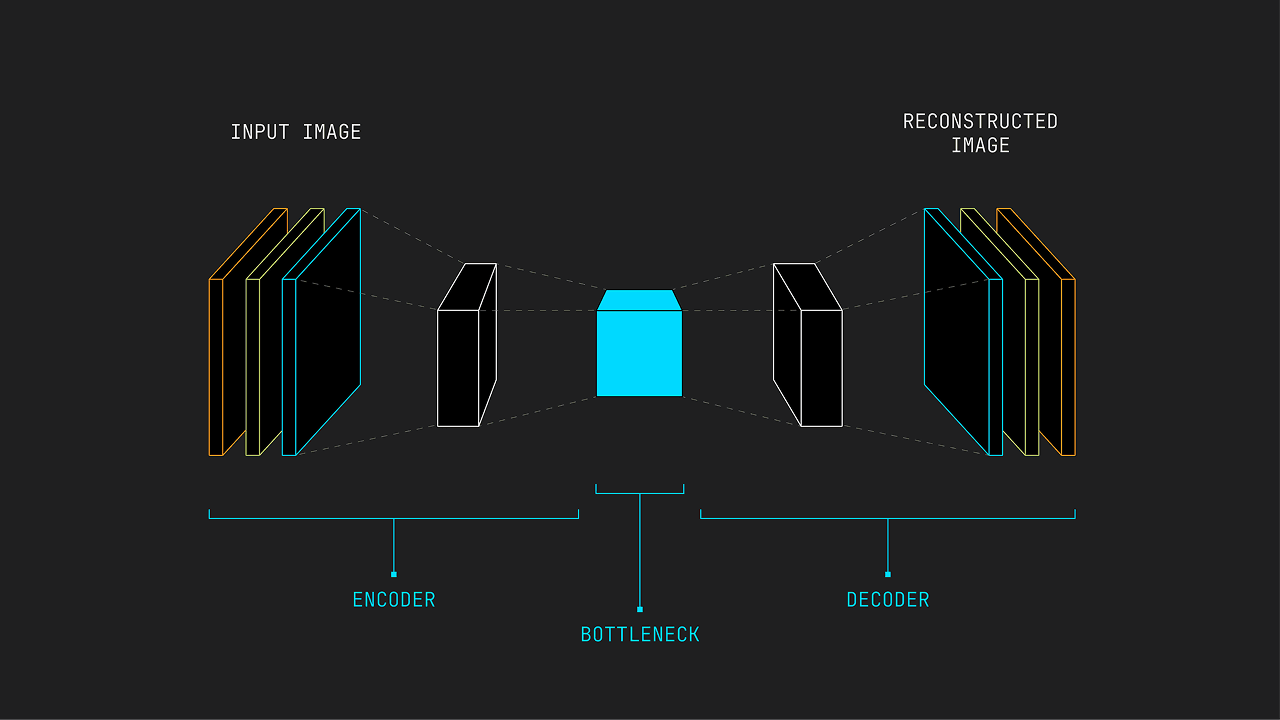
Autoencoders in Computer Vision
An autoencoder is a type of artificial neural network that is used to learn data encodings unsupervised. The autoencoder must examine the input and create a function capable of transforming a specific instance of that data into a meaningful representation.