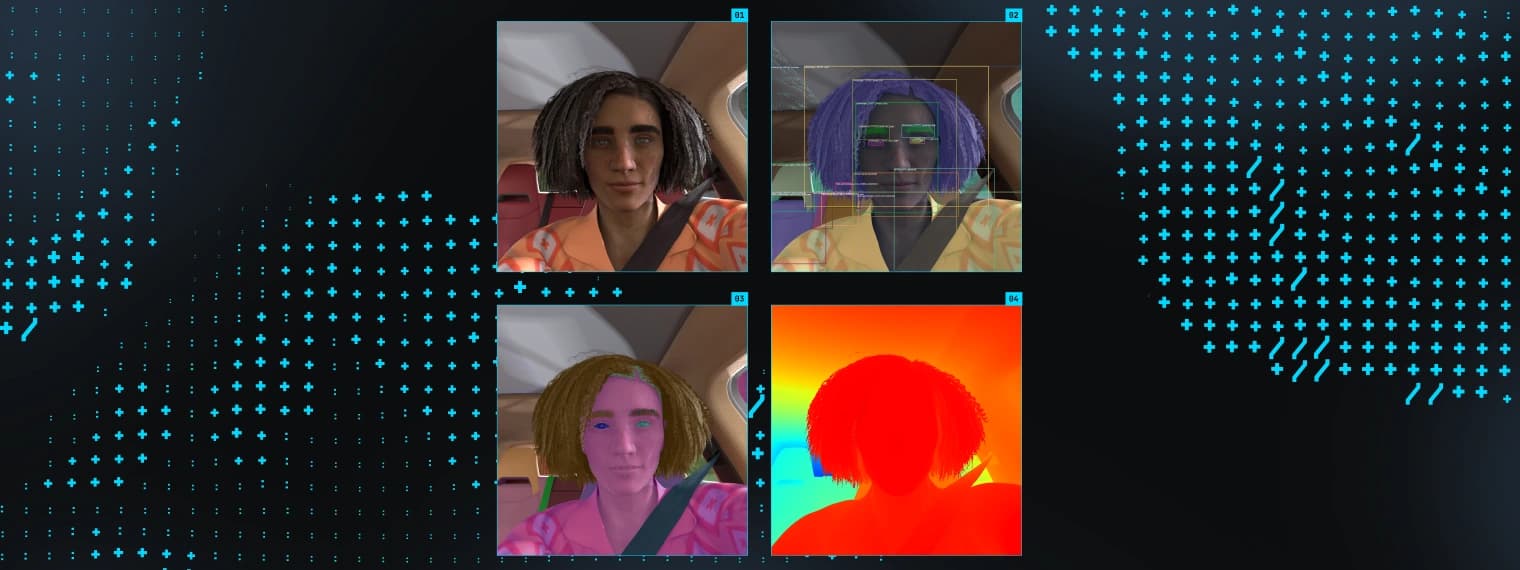
Why “Beyond RGB” Matters
For decades, computer vision has been built on a simplification: that three colors — red, green, and blue — can describe everything the eye sees. The entire imaging ecosystem, from camera sensors to rendering engines, has been optimized for this human-centric model.
But real sensors perceive more. They capture photons across a wide range of the electromagnetic (EM) spectrum — ultraviolet, visible, near-infrared — all at once. And the more AI depends on visual input, the more this RGB simplification becomes a bottleneck.
Hyperspectral and multispectral imaging expose what RGB cannot: the continuous variation of light across wavelengths. They enable AI systems to detect materials, chemical compositions, or biological states invisible to standard imaging.
At SKY ENGINE AI, we extend this transformation into synthetic data — rendering light behavior as a physical process, not a color lookup. Our pipeline models wavelength-specific emission, absorption, and scattering using empirically defined sensor quantum efficiencies, material absorption coefficients, and light source spectral power distributions, reproducing how sensors respond to real spectral energy distributions along with counting individual photons.
How Sensors Actually See
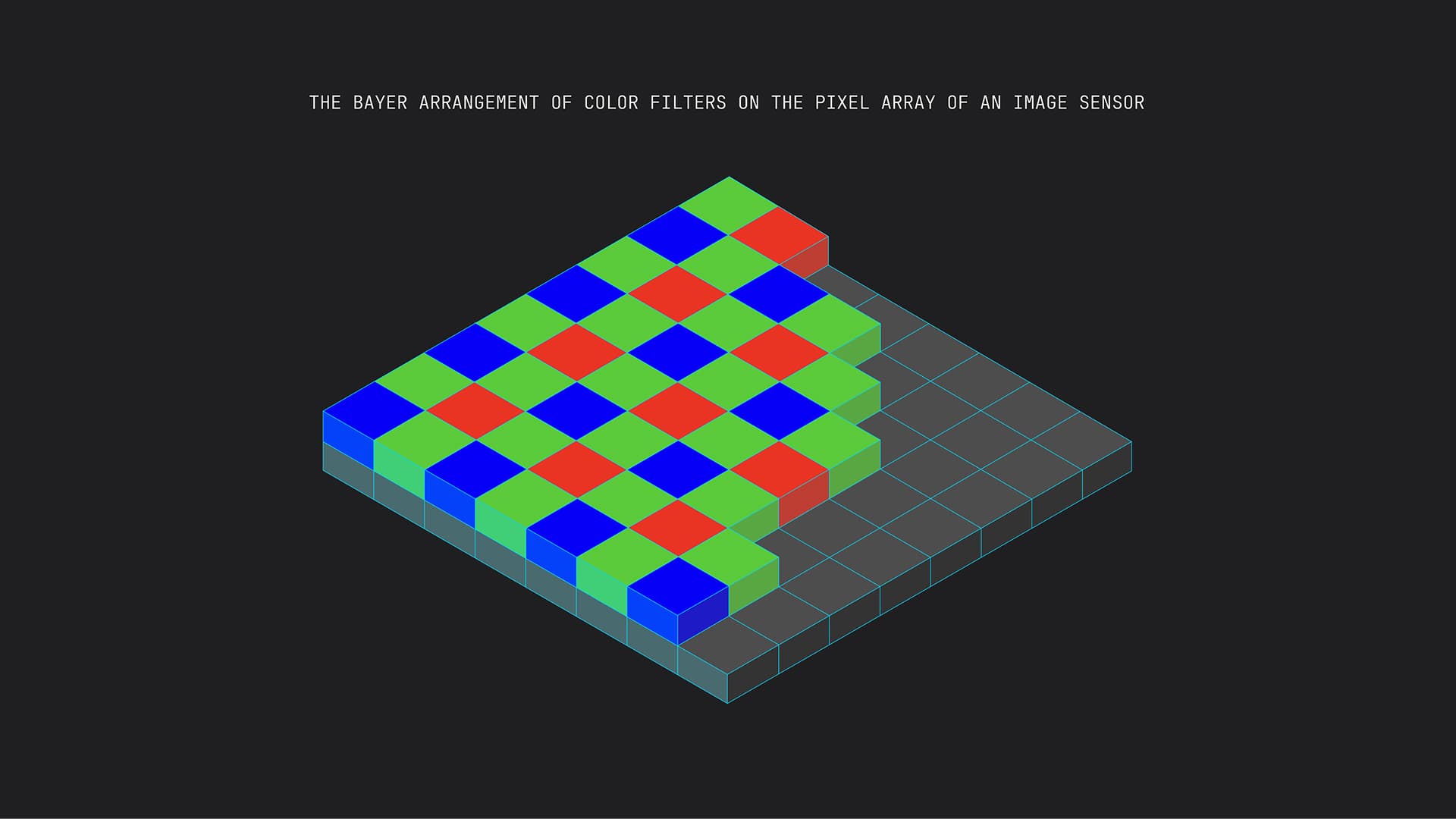
Modern sensors don’t naturally separate light into red, green, and blue. They detect all photons as undifferentiated charge — electrons produced by the photoelectric effect. To distinguish colors, cameras rely on Color Filter Arrays (CFAs) — microscopic grids that selectively filter wavelengths reaching each pixel.
The most common is the Bayer filter, with half its pixels devoted to green (for increased luminance fidelity), one quarter to red, and one quarter to blue. The camera then reconstructs missing values through demosaicing, an algorithmic interpolation process. This works well until an image contains fine patterns or edges — then the mathematics breaks, producing Moiré artifacts or false colors.
Other CFA types attempt to fix these flaws:
- Foveon X3 sensors stack color-sensitive layers vertically rather than in a grid.
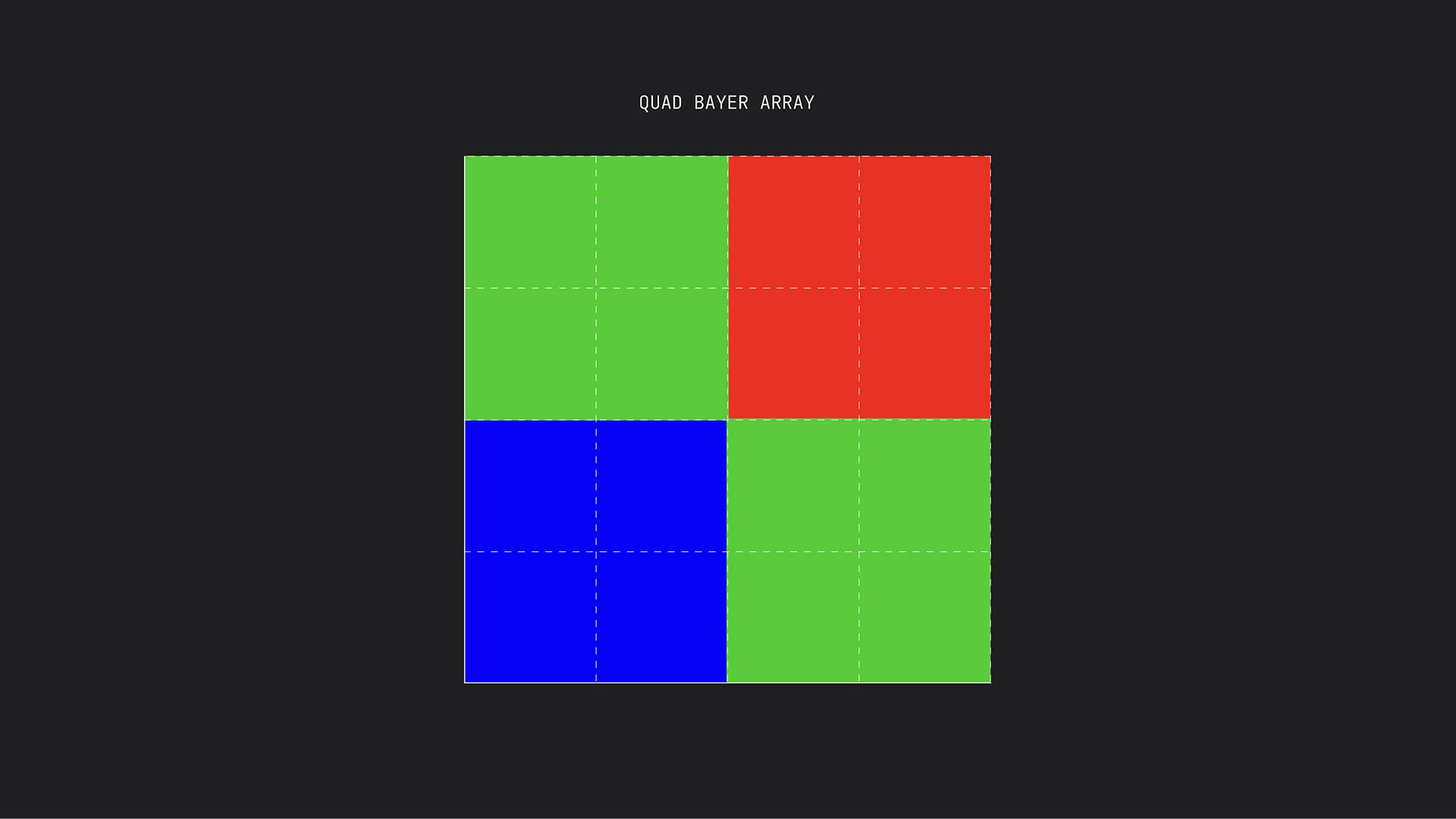
- Quad Bayer and Nonacell structures increase light sensitivity.
- Dichroic mirrors or diffractive-filter arrays replace physical mosaics with optical filtering.
Yet all these methods still divide the spectrum into arbitrary RGB segments, which is fine for “simple” consumer products but insufficient for analytical purposes.
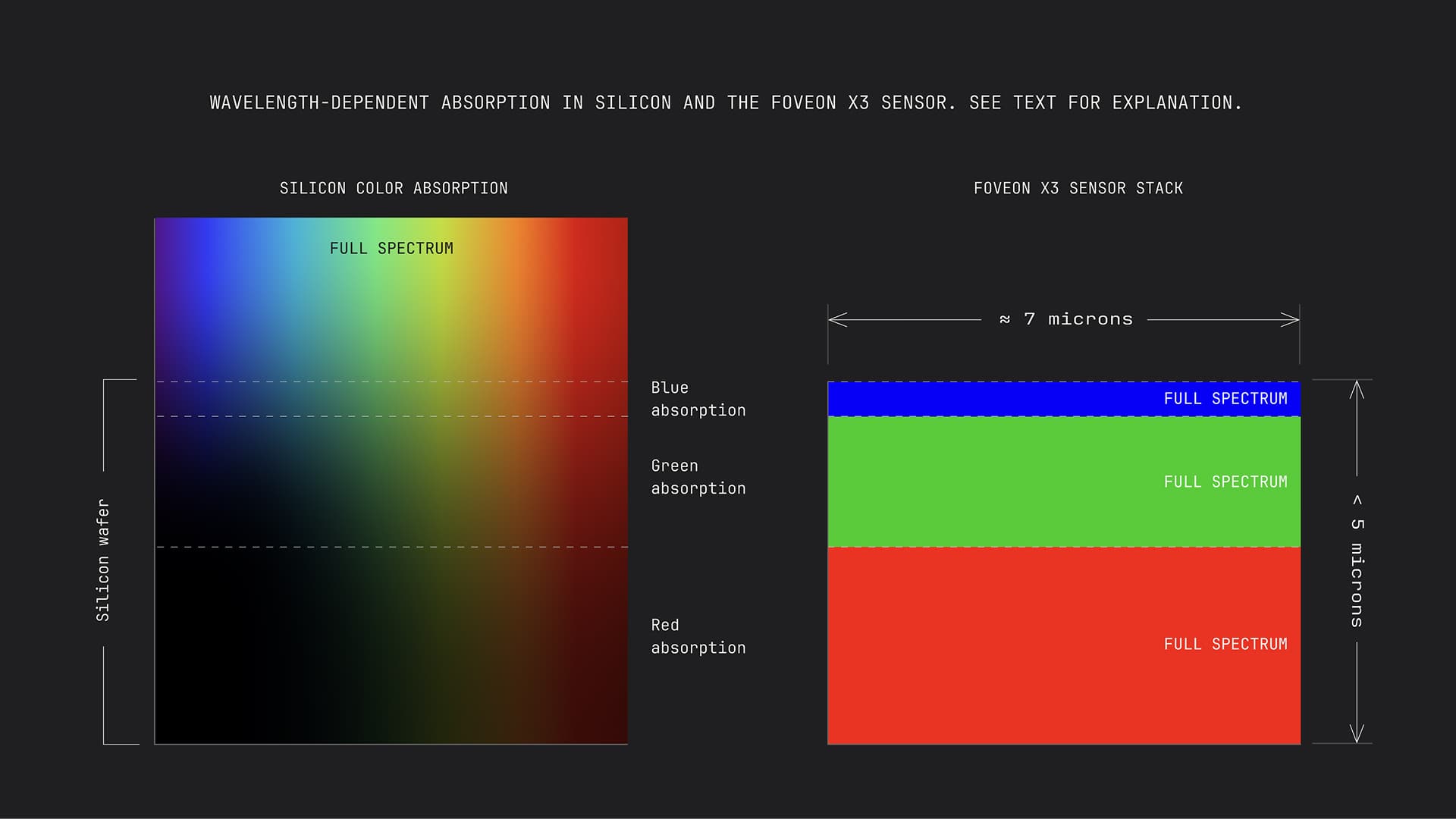
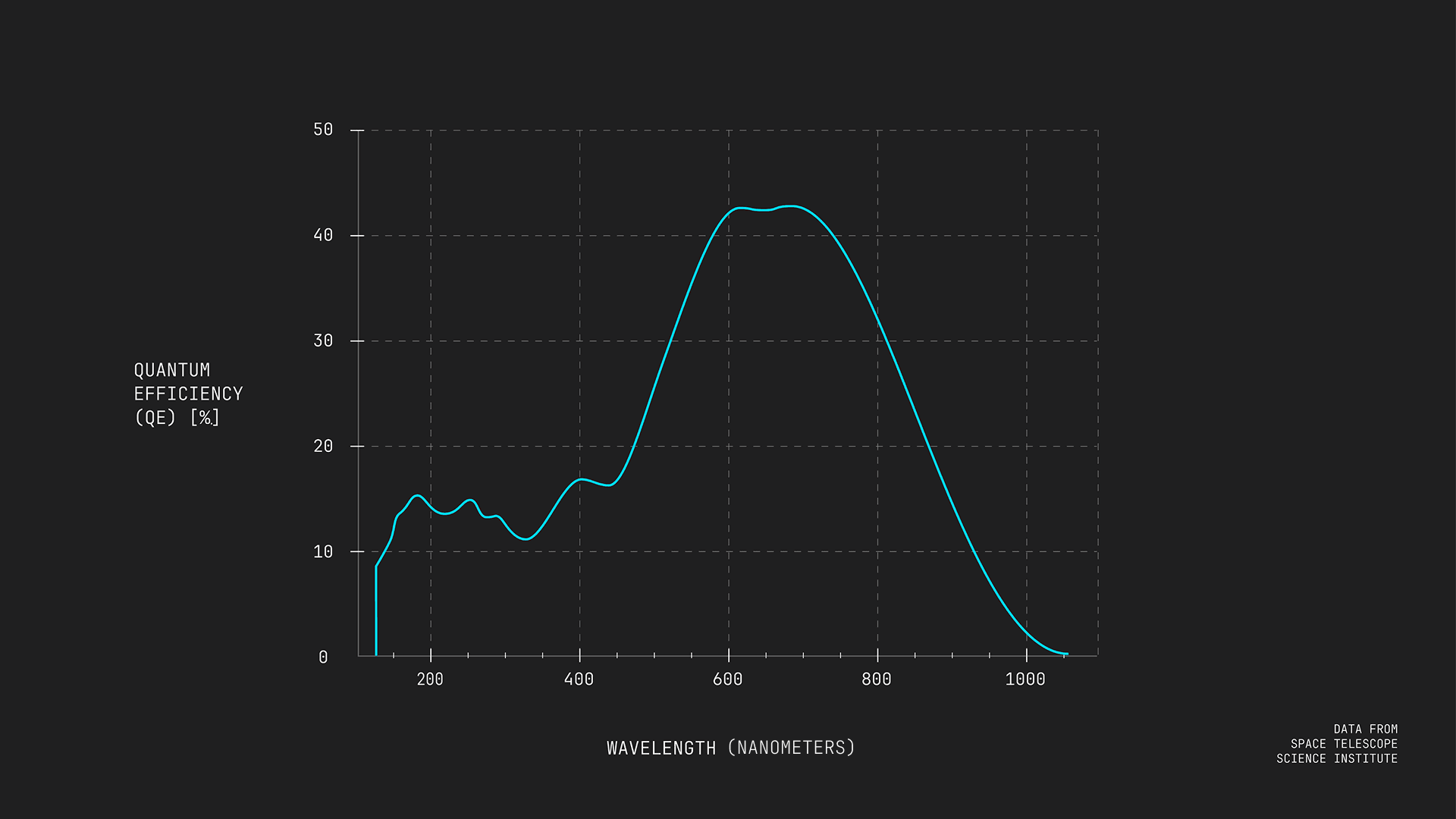
The true measure of a sensor’s optical behavior is Quantum Efficiency (QE) — the ratio of electrons generated to photons absorbed. QE varies by wavelength: most sensors are more efficient in the green band and less responsive in the near-infrared.
Understanding QE curves is crucial for both real and synthetic datasets, since it defines how each wavelength contributes to the final signal.
From Multispectral to Hyperspectral Imaging
Multispectral imaging (MSI) captures light in several distinct wavelength bands.
Hyperspectral imaging (HSI) captures a continuous spectrum for each pixel — sometimes hundreds of narrow, adjacent bands.
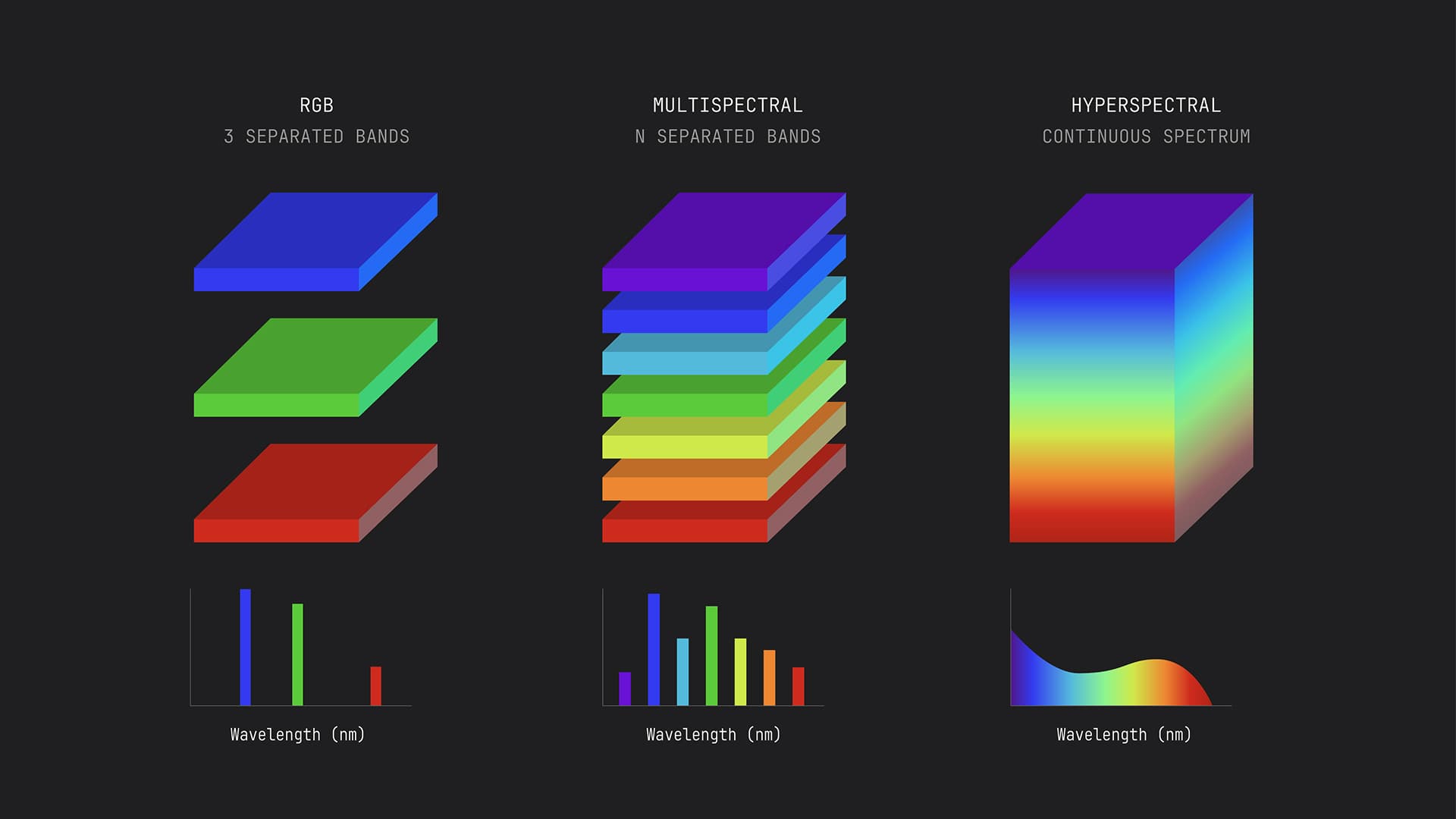
This continuity reveals physical details that RGB and MSI can’t detect.
In agriculture, early drought stress can be detected before visual yellowing because leaf reflectance shifts in narrow red/NIR bands; recent field and low-cost HSI studies show earlier and more reliable detection than RGB baselines.
In medicine, HSI is being used across four high-value workflows:
- Intraoperative margin assessment (e.g., breast-conserving and head-and-neck surgery): label-free spectral contrast helps differentiate tumor from healthy tissue and supports real-time or near-real-time guidance.
- Perfusion and oxygenation mapping: spectral decomposition of hemoglobin states provides non-contact maps of tissue oxygenation, aiding decisions in oncology, reconstructive surgery, and flap viability.
- Wound assessment / diabetic foot ulcers: HSI-derived perfusion biomarkers can predict healing trajectory and support objective triage in chronic wounds.
- Dermatology & melanoma screening: multispectral/hyperspectral reflectance improves discrimination of suspicious lesions versus benign nevi and is advancing toward clinical decision support.
In security and forensics, material-specific spectra expose tampering that passes RGB checks. HSI separates inks from different batches on the same document line, flags overwritten or erased strokes, and distinguishes substrates or toners even when they look identical to the eye. In cultural-heritage and packaging, narrowband features reveal repaints/retouches, substituted pigments, or counterfeit holographic elements—all non-destructively and over full fields of view. In practice, band selection + spectral classifiers (e.g., SAM, sparse selection) let you localize anomalies at pixel scale, then attribute them to likely materials via spectral libraries.
In beauty and health tech, Spectral sensing enables objective skin-tone measurement across illuminants and devices, and supports biomarker-linked analysis (melanin/hemoglobin/water) beyond RGB. HSI can map melanin distribution across phototypes, quantify hemoglobin-related contrast for redness/inflammation, and evaluate makeup coverage as a function of wavelength (not just “appearance”), improving product testing and personalization. These measurements complement our skin-modeling approach (Skin Color Volume, ITA°) by grounding datasets in biophysics rather than camera pipelines.
In geodesy and Earth observation, hyperspectral cubes capture diagnostic absorption features for mineral mapping (e.g., clays, carbonates), soil property retrieval (pH, EC, CaCO₃), and fine-grained land-cover separation. Airborne/spaceborne sensors (e.g., AVIRIS-NG) resolve subtle band positions and depths tied to mineral chemistry, while HS–MS fusion improves spatial detail without sacrificing spectral fidelity—vital for geologic mapping and precision agro-geodesy. These pipelines typically pair feature extraction (continuum removal/feature integration) with sparse or physics-aware classifiers to remain robust across scenes.
Each material or tissue exhibits a characteristic spectral fingerprint—its reflectance or absorbance profile across wavelengths. Capturing those fingerprints enables precise identification and quantification, but collecting large labeled datasets remains costly and time-consuming. Synthetic generation of hyperspectral data—parametrically tuned for sensor characteristics—offers a scalable, physics-based solution.
The Rendering Revolution — Simulating Light by Wavelength
Traditional rendering pipelines were built for appearance, not physics. They approximate how scenes look to humans, not how light behaves in reality.
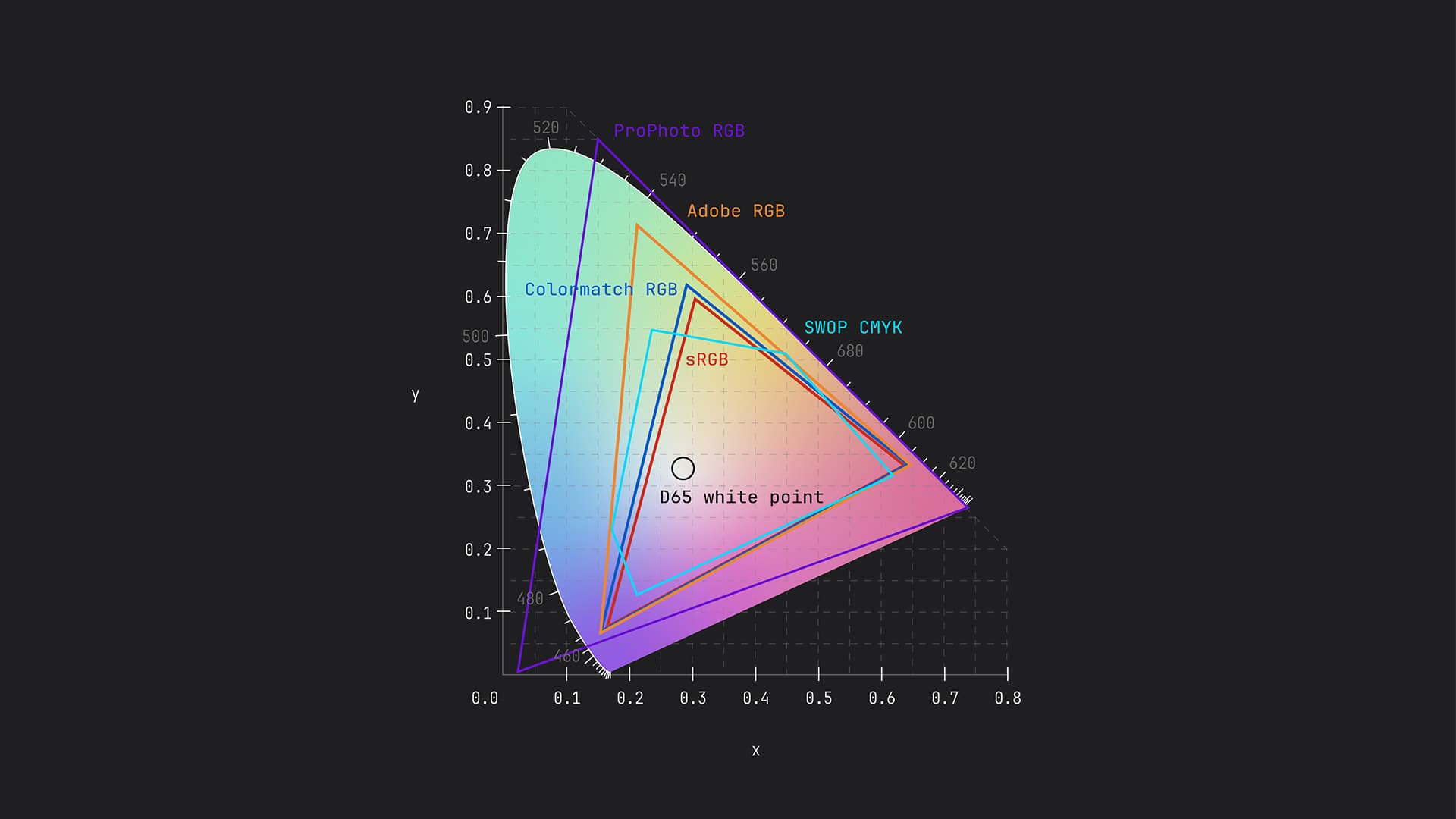
An RGB renderer converts 3D geometry into 2D pixels, then assigns each pixel a color based on simplified models — three intensity values combined into a color space of choice, e.g. sRGB.
But color spaces like RGB or CMYK are human conventions. They compress the infinite continuum of light into a handful of channels. There’s no fundamental “true” RGB color — each color space defines its own gamut.
Hyperspectral rendering abandons this abstraction. It simulates light transport at real wavelengths, not in synthetic color channels. Each ray carries a physical wavelength λ and energy value; when it interacts with surfaces, reflection, refraction, absorption, and scattering are computed spectrally.
The outcome is not necessarily more photorealistic, but physically precise. Pixel by pixel, the rendered result aligns with real-world optical behavior.
This eliminates the ambiguity of color models and enables color ground truth: every rendered pixel contains full spectral data across the EM range. For AI training, that means models can learn from actual light behavior rather than aesthetic approximations.
SKY ENGINE AI’s Approach to Hyperspectral Rendering
At SKY ENGINE AI, spectral realism is built into the rendering core.
We simulate not only the illumination spectrum, but also the optical setup that captures it — from light source to lens to detector.
Core features:
- Spectral sampling resolution down to 0.1 nm.
Each wavelength is traced independently through the scene, enabling analysis of even extremely narrowband effects. - Optical modeling of blur, chromatic aberration, or other defects.
A single blurred lens can refract each wavelength slightly differently, shifting where its energy lands on the sensor plane. - Sensor simulation with wavelength-dependent Quantum Efficiency.
Detectors are modeled according to real or hypothetical QE curves, allowing testing of new sensor designs.
Spectrally Realistic Skin Modeling
Human skin is one of the most complex materials to simulate. Its reflectance depends on wavelength, pigmentation, and the multilayer scattering of light inside tissue.
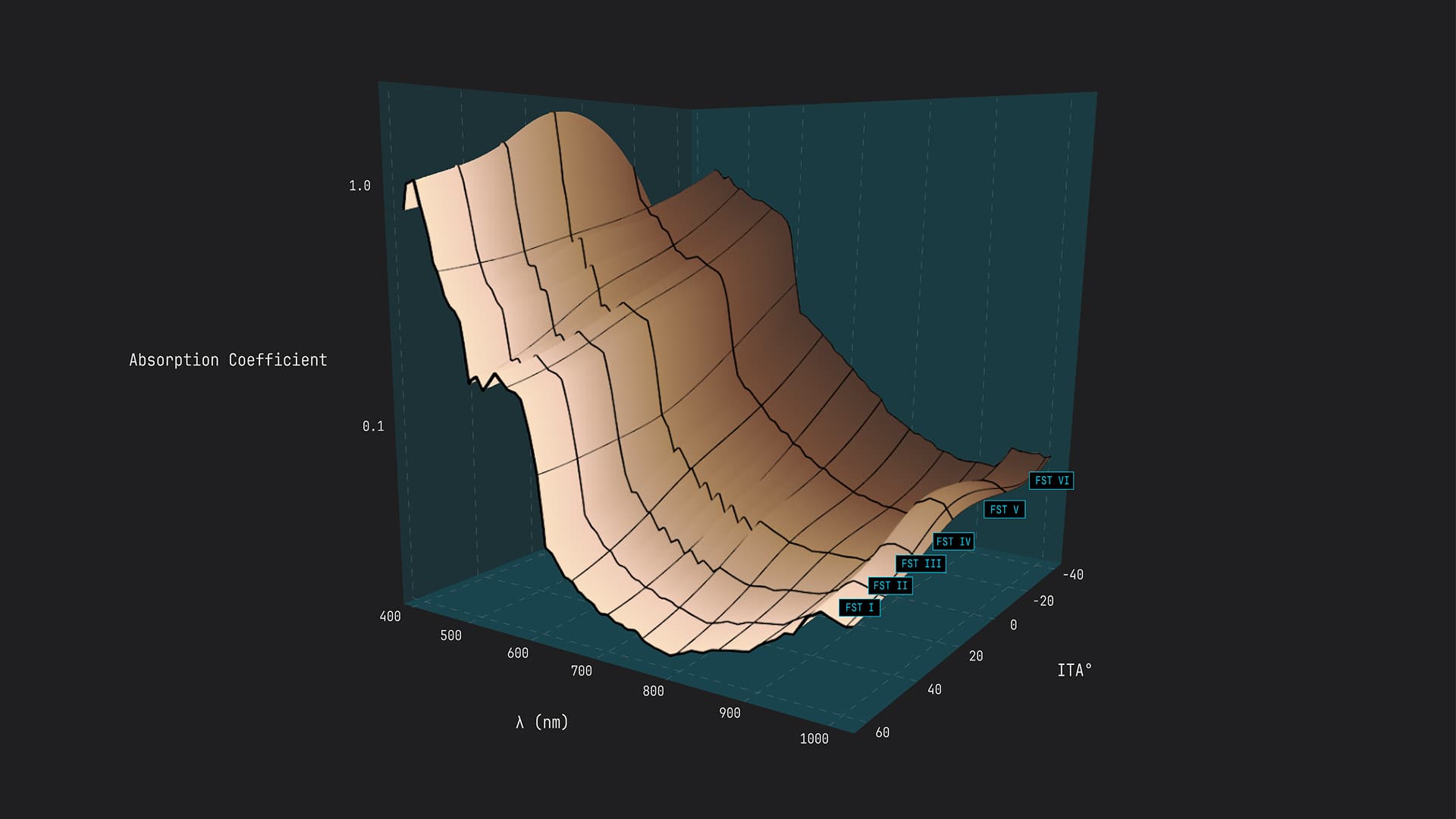
We model skin in the usecase-specific ranges with arbitrary spectral resolutions, e.g. UV, visible, and short-wavelength infrared (SWIR), using a 100-level Skin Color Volume, scientifically defined via the CIELAB color space and Individual Typology Angle (ITA°).
- Skin Color Volume: represents skin tone as a 3D space of lightness (L*), red-greenness (a*), and yellow-blueness (b*).
- ITA°: quantifies skin pigmentation based on melanin levels; higher angles = lighter tones.
Each of the 100 tones includes absorption coefficients at 1 nm increments, enabling per-pixel simulation of how light penetrates, scatters, and exits the skin. This results in spectrally faithful skin rendering — essential for DMS, dermatology, and cosmetic AI datasets.
What RGB Rendering Gets Wrong
Traditional subsurface scattering models in CG use artist-made maps or average colors to simulate light penetration. Because those assets are tuned for on-screen appearance rather than measured spectra, they collapse scattering and absorption into three fixed numbers. In reality, each surface reflects or absorbs light differently across the spectrum — a behavior responsible for effects like color metamerism, where distinct spectral distributions produce the same RGB color.
For human viewers, that’s imperceptible.
For machine vision, it’s catastrophic.
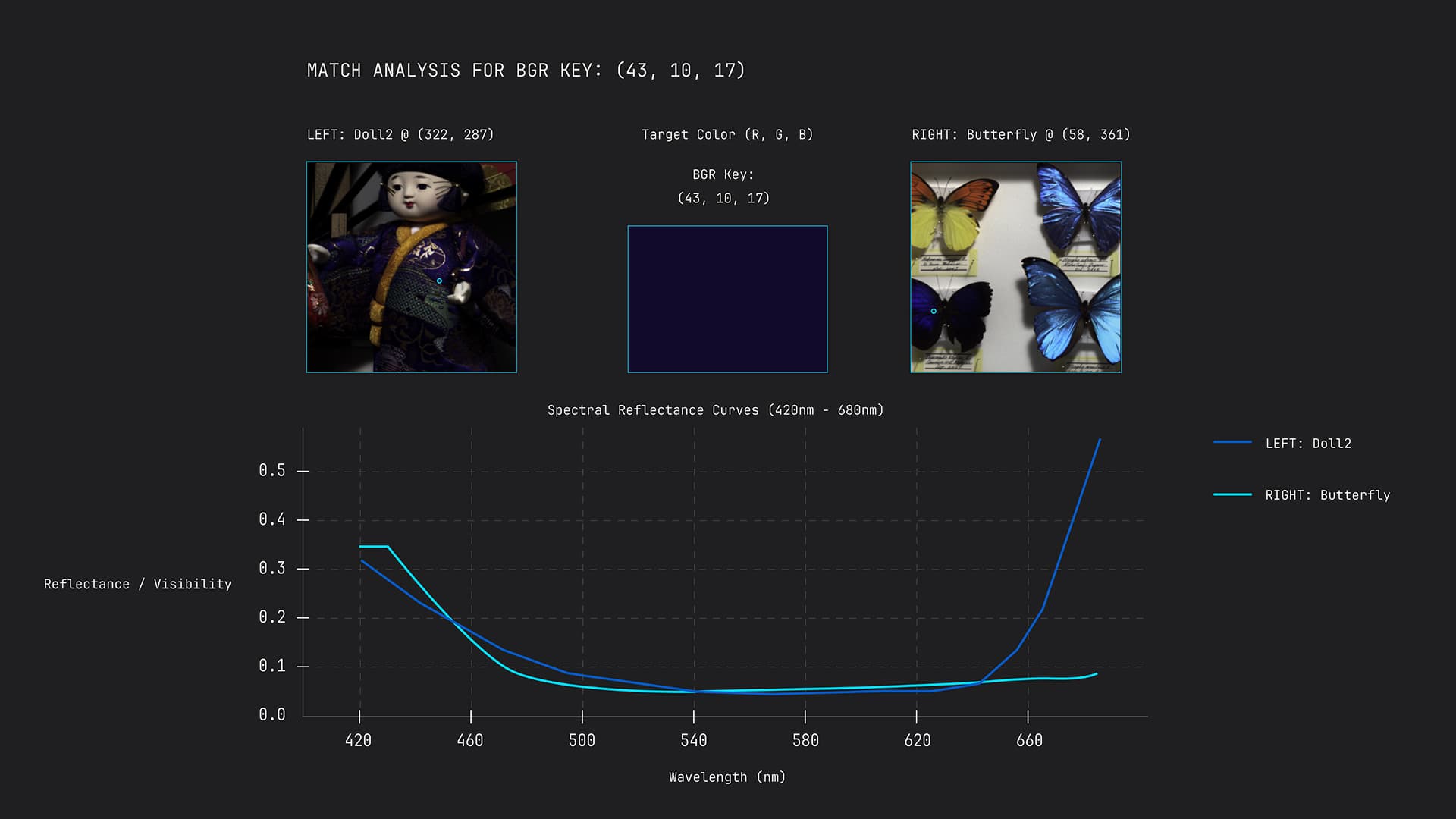
AI trained on RGB approximations may classify visually similar but physically different materials as identical, or fail under spectral shifts (e.g., daylight vs IR illumination).
Hyperspectral rendering restores that missing physics. By generating spectral metadata for each pixel, SKY ENGINE AI enables models to learn the actual optical fingerprint of materials, not just their visible appearance. This underpins new types of spectral vision AI and sensor fusion networks that combine visible, NIR, and thermal modalities.
Practical Impact — From Spectral Simulation to Deployable AI
Collecting hyperspectral data in the real world is expensive, slow, and often impractical. Sensors are delicate, calibration standards vary, and labeling spectral cubes for machine learning remains a major bottleneck.
Synthetic generation eliminates those constraints by reproducing spectral physics inside a controlled virtual pipeline.
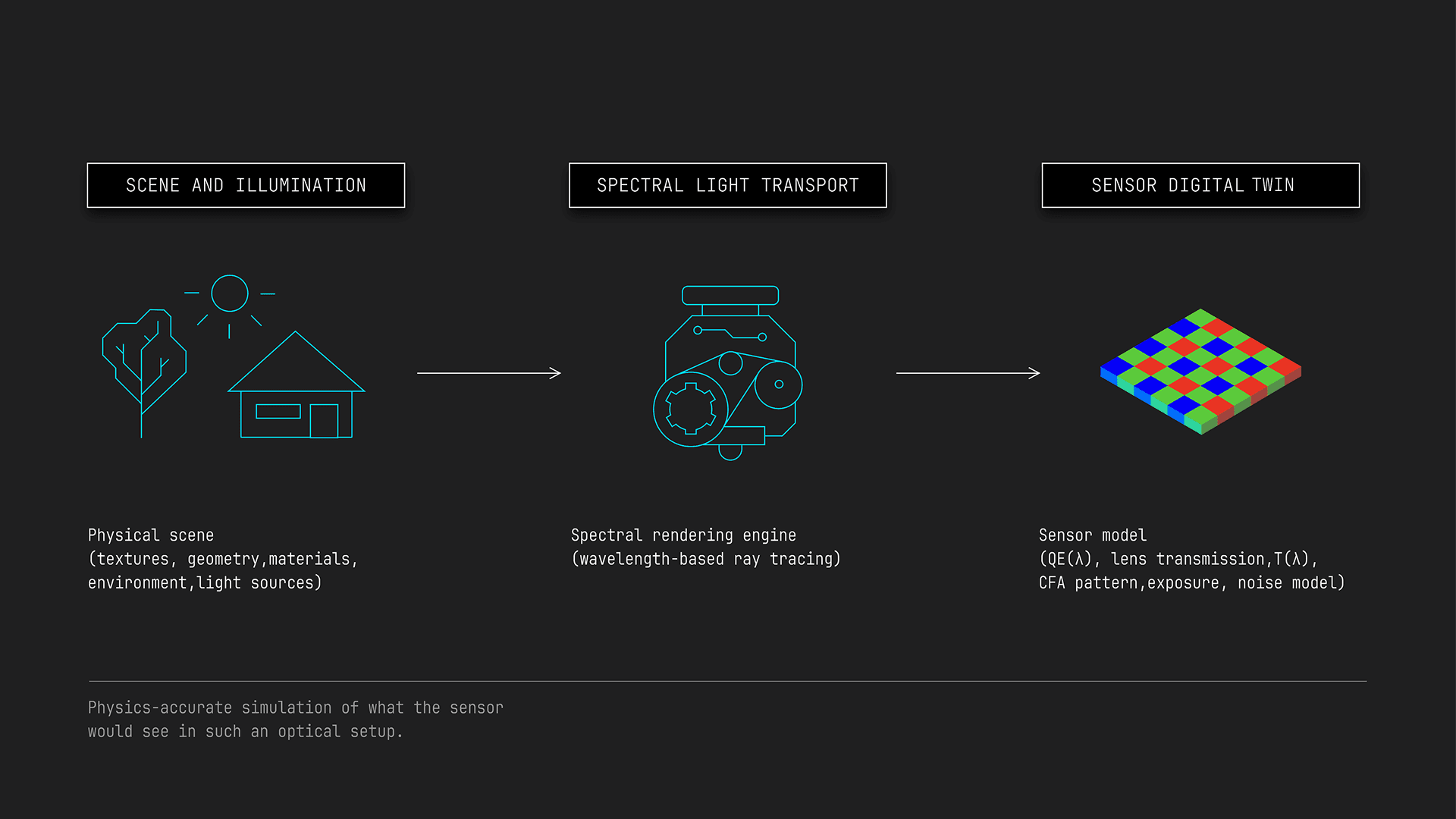
At SKY ENGINE AI, hyperspectral rendering bridges optical physics and machine learning engineering. Each dataset can be generated with a user-defined spectral range (e.g., from 380–1000 nm for Vis and NIR), chosen spectral resolution (0.1–10 nm), and realistic sensor parameters such as quantum efficiency curves, lens transmission, or noise characteristics.
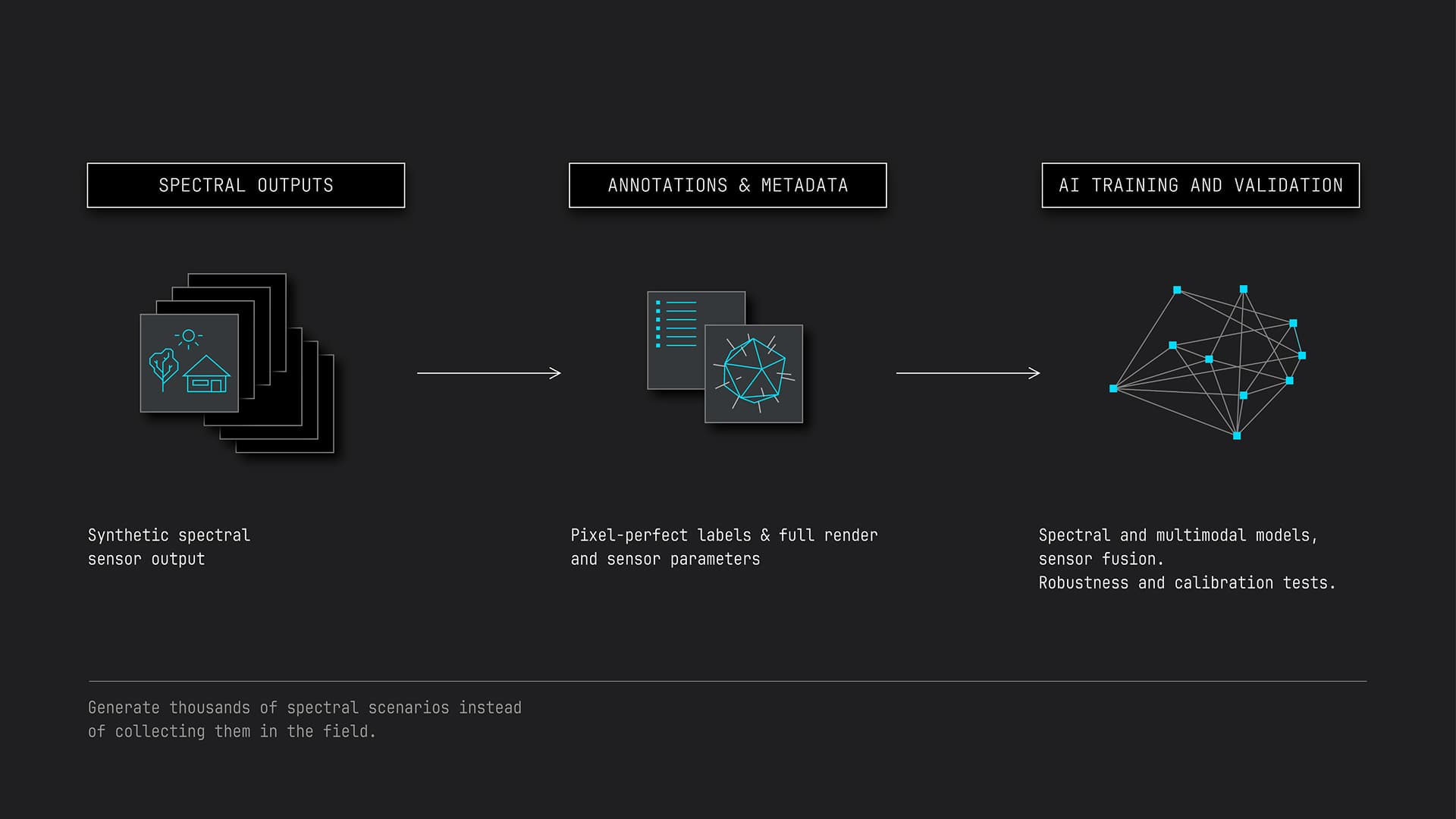
Instead of gathering signals from the field, developers model illumination, optics, and materials once—and generate consistent, perfectly labeled data across thousands of scenarios.
From Imaging to Modeling
Synthetic hyperspectral datasets reproduce not just what a sensor would see, but how it would respond. Quantum efficiency weighting, spectral transmittance of optics, and material absorption coefficients define the signal reaching each simulated pixel. This enables pixel-accurate replication of sensor response for training, testing, and calibration—before physical hardware exists.
Rich Metadata and Multimodal Validation
Every render includes wavelength-resolved ground truth for geometry, reflectance, and illumination. These spectral annotations make it possible to benchmark sensor-fusion models that combine visible, near-infrared, LiDAR, or thermal channels. Because the rendering process is deterministic, results are fully reproducible—ideal for scientific validation and regulatory submissions.
Cross-Industry Payoff
- Medical and Life Sciences: Generate consistent tissue-reflectance data for algorithm pre-training or device calibration without patient scans.
- Agriculture: Create stress-detection benchmarks that mimic real spectral shifts under controlled illumination.
- Security and Forensics: Simulate counterfeit-detection scenarios with known material spectra.
- Automotive: Validate driver-monitoring and in-cabin sensing models across day-night and multi-illumination conditions.
Across these sectors, spectral synthetic data reduces acquisition cost, accelerates R&D, and enables AI systems to generalize across lighting, optics, and sensor variations.
It transforms hyperspectral imaging from an experimental tool into a scalable, programmable source of truth for next-generation vision AI.
Beyond a sensor twin: a twin of the entire use case.
With SKY ENGINE AI, datasets are tailored end-to-end to a specific application—down to wavelength range, illuminant families, scene composition and motion, material distributions, occlusions, optics and apertures, exposure strategy, QE(λ), filter stacks, noise, and calibration targets. In practice, you get a digital twin of the task, not just the detector. That lets teams avoid unnecessary model generalization: you train for the envelope you actually intend to deploy in, rather than paying capacity and data tax for conditions you will never face.
Why this matters (practical benefits):
- Sharper bias: tighter data distribution → faster convergence and smaller models with the same task performance.
- Lower domain gap: spectra, optics, and illumination match the target setup → less brittle behavior at deployment.
- Targeted robustness: vary only the factors you care about (e.g., Δλ, band centers, SNR, L(λ) families) → robustness within the intended envelope, not generic noise jitter.
- Ablation by design: sweep QE(λ), T(λ), CFA, or band definitions to make quantified trade-offs before hardware.
- Reproducibility & traceability: every pixel is backed by known L(λ), R(x,y,λ), T(λ), QE(λ) and scene parameters → clean audit trails for safety and regulatory submissions.
- Calibration alignment: render calibration targets and procedures to tune photometric, geometric, and spectral pipelines prior to lab time.
Net effect: instead of training a “universal” model and hoping it survives contact with reality, you engineer the reality you’ll ship into—and let your models learn exactly that
Seeing the Invisible — The Future of Synthetic Data
RGB describes perception. Hyperspectral rendering describes reality.
By modeling light as a continuous physical phenomenon, SKY ENGINE AI bridges the gap between visual computing and optical physics.
In the years ahead, as multimodal AI becomes standard — combining visible, NIR, LiDAR, radar, and thermal data — synthetic datasets will need the same spectral integrity as the target sensors used in the computer vision setup.
SKY ENGINE AI’s hyperspectral rendering pipeline lays that foundation: every photon simulated, every wavelength accounted for, every pixel physically meaningful.
Because the future of computer vision won’t be painted in color.
It will be measured in light.
- 01.0
What’s the difference between multispectral and hyperspectral data?
Multispectral uses a handful of discrete bands; hyperspectral samples dozens–hundreds of contiguous bands, capturing a per-pixel spectrum (I(x,y, \lambda)). That continuity preserves subtle material/tissue features that RGB/MSI miss.
- 02.0
Why is RGB insufficient for scientific/industrial CV?
RGB is a 3-channel projection of a spectral power distribution using human-vision primaries (CIE 1931). Different spectra can map to the same RGB (metamerism), so physically distinct materials become indistinguishable to a model trained only on RGB.
- 03.0
What is Quantum Efficiency (QE) and why does it matter in synthetic data?
QE((\lambda)) is the fraction of incident photons that produce charge carriers. Real sensors have wavelength-dependent QE, filters, and optics; ignoring them in simulation yields the wrong signals. Always weight spectra by the effective sensitivity (optics × filters × QE).
- 04.0
How is spectral rendering different from “physically based” RGB rendering?
Spectral rendering treats (\lambda) as a first-class variable in the rendering equation (materials, lights, optics all depend on (\lambda)). It’s used in state-of-the-art research renderers and sampling schemes (e.g., hero-wavelength).
- 05.0
What is a sensor digital twin?
A parameterized model of a specific imaging system: passbands/CFA or prisms, optics transmission (T(\lambda)), QE((\lambda)), exposure, noise, geometry. Rendering produces spectral radiance; the twin turns it into what your sensor would measure—RGB, MSI bands, or full cubes.