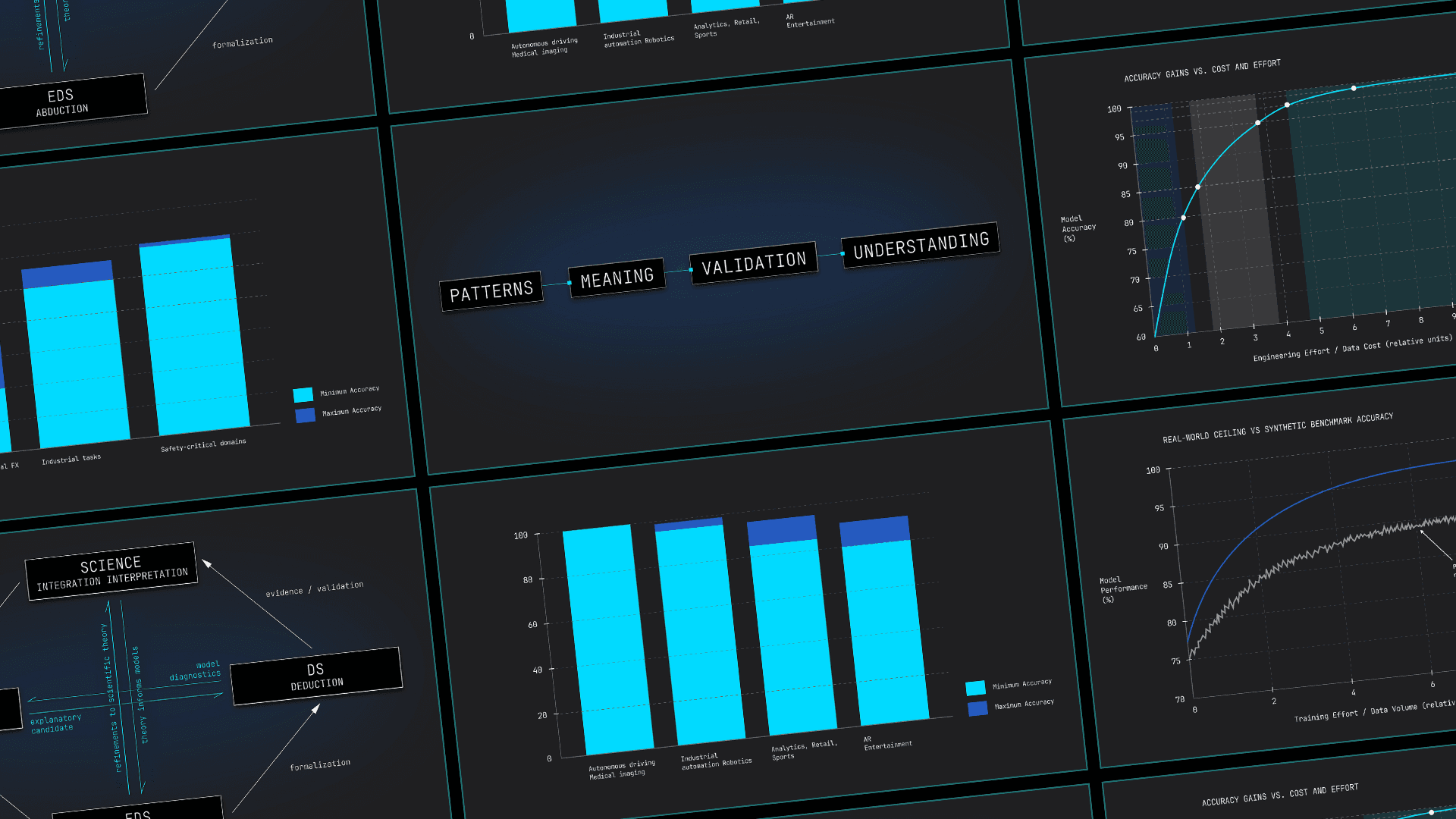
With What Accuracy Levels Can We Get Away in Computer Vision?
There’s no magic number. No single threshold that separates “good” from “bad.” 80%, 90%, 99% — these values mean nothing until you define the context: dataset complexity, operational risk, and task type.
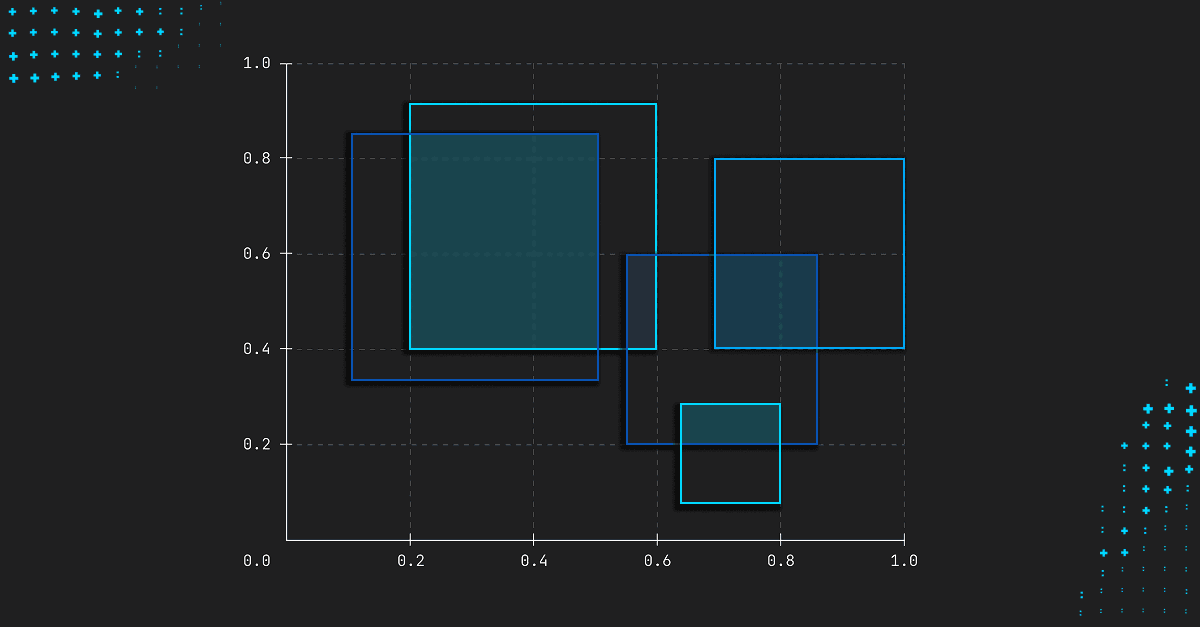
Metrics in Data Science: Beyond the Basics
This article covers the fundamental metrics everyone learns early on, and then pushes further into the advanced territory where models meet reality: image segmentation, object detection, and model drift over time. That’s where evaluation becomes not only technical, but mission-critical.
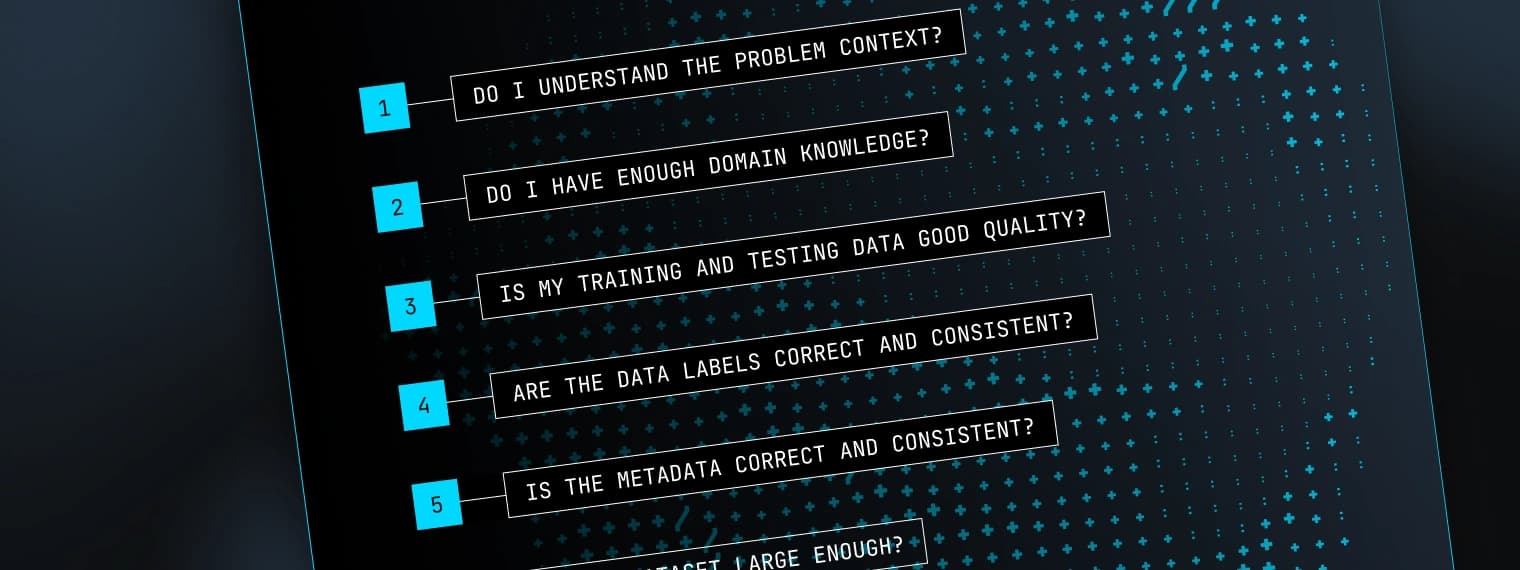
12 Questions to Ask Yourself When Your Machine Learning Model is Underperforming
According to our Head of Research, Kamil Szelag, PhD, data scientists often spend 80% of their time preparing and refining datasets, and only 20% on model development and tuning. Below is a practical, technical checklist designed to help you debug underperforming models and realign development efforts more effectively.
What is Hyperparameter Tuning?
The goal of hyperparameter tuning is to fine-tune the hyperparameters so that the machine can build a robust model that performs well on unknown data. Effective hyperparameter adjustment, in conjunction with excellent feature engineering, may considerably improve model performance.
Using Learning Curves to Analyse Machine Learning Model Performance
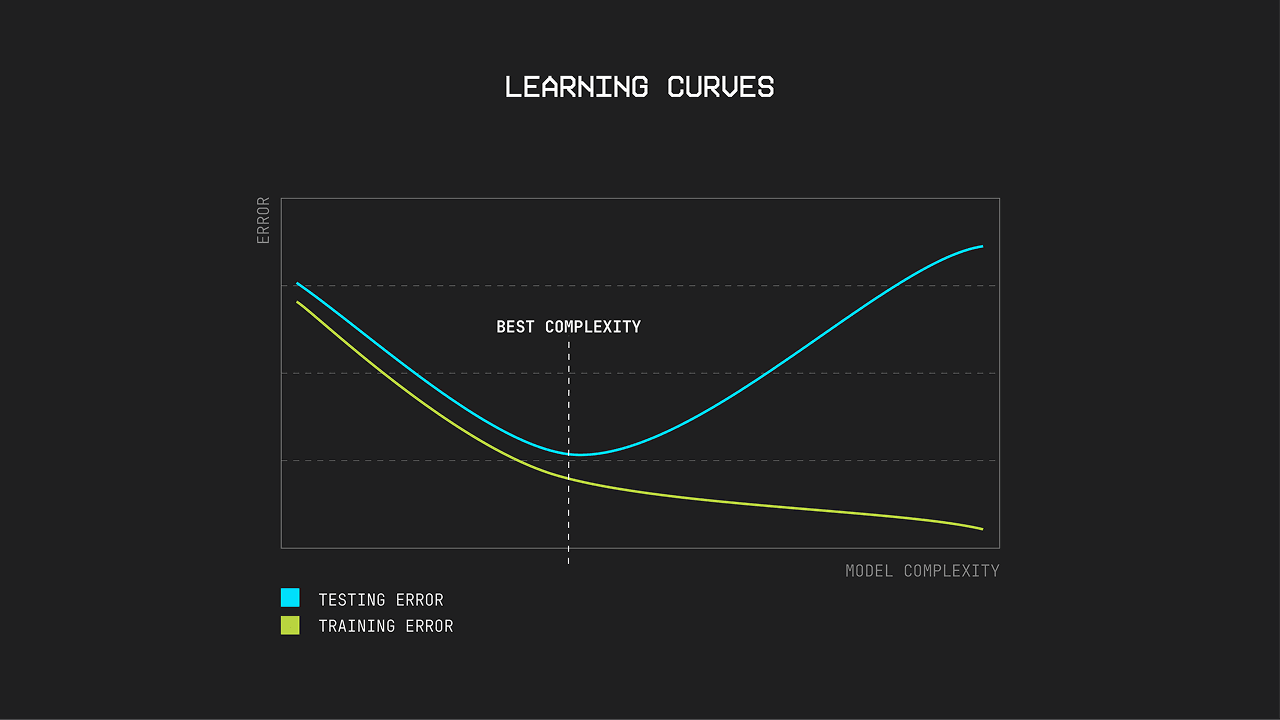
Learning curves are a common diagnostic tool in machine learning for algorithms that learn progressively from a training dataset. After each update during training, the model may be tested on the training dataset and a hold out validation dataset, and graphs of the measured performance can be constructed to display learning curves.
How to Split Dataset in Machine Learning?
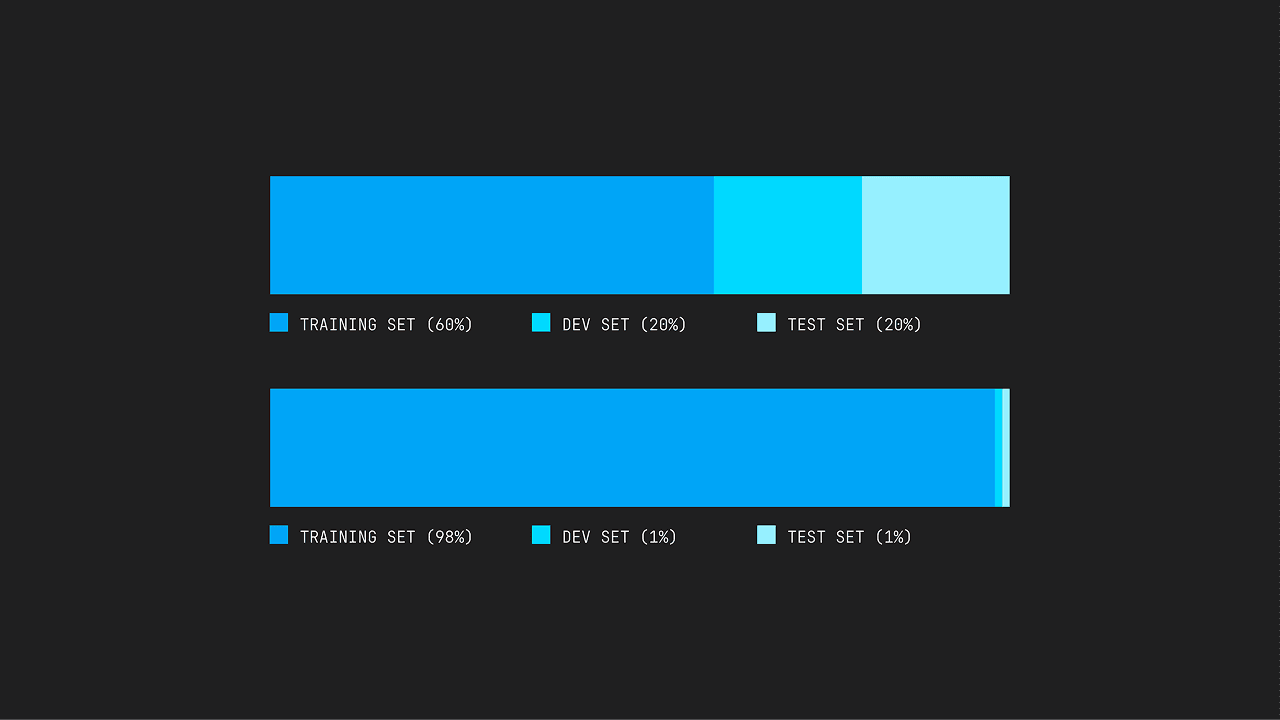
To prevent overfitting and to correctly evaluate your model, divide your data into train, validation, and test batches