Beyond RGB: The Rise of Hyperspectral Rendering and Synthetic Data
Hyperspectral and multispectral imaging expose what RGB cannot: the continuous variation of light across wavelengths.
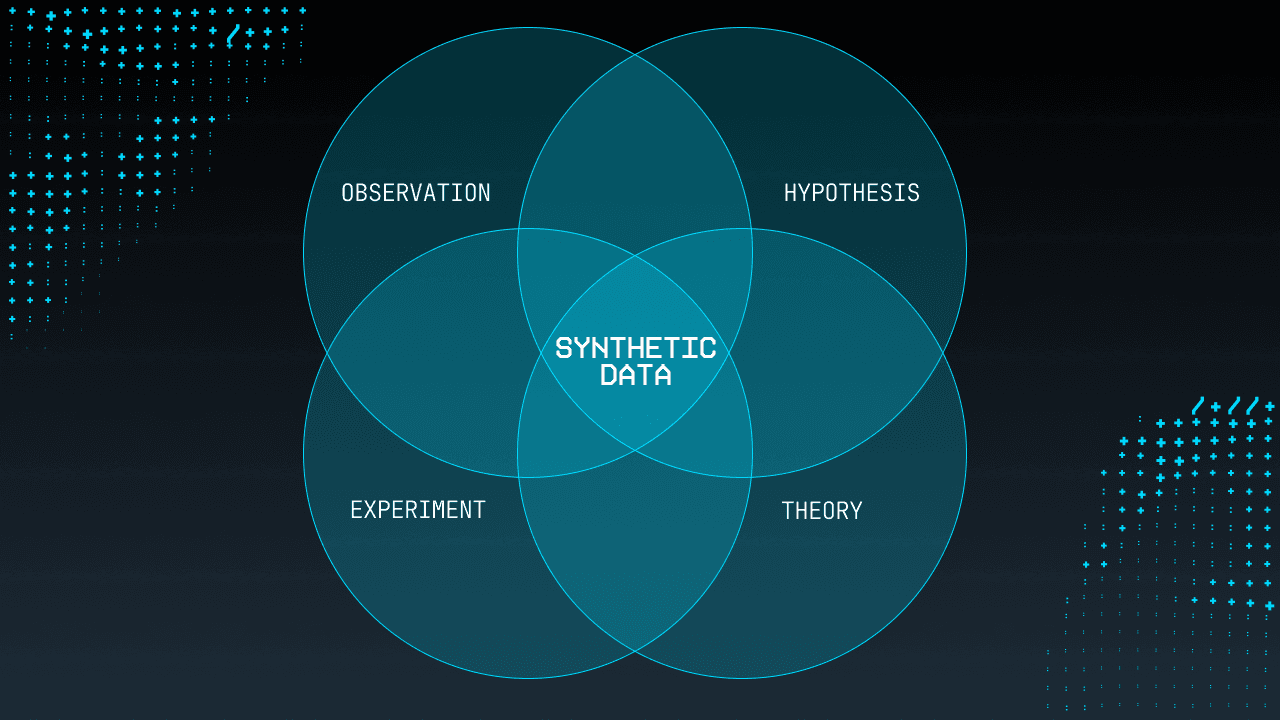
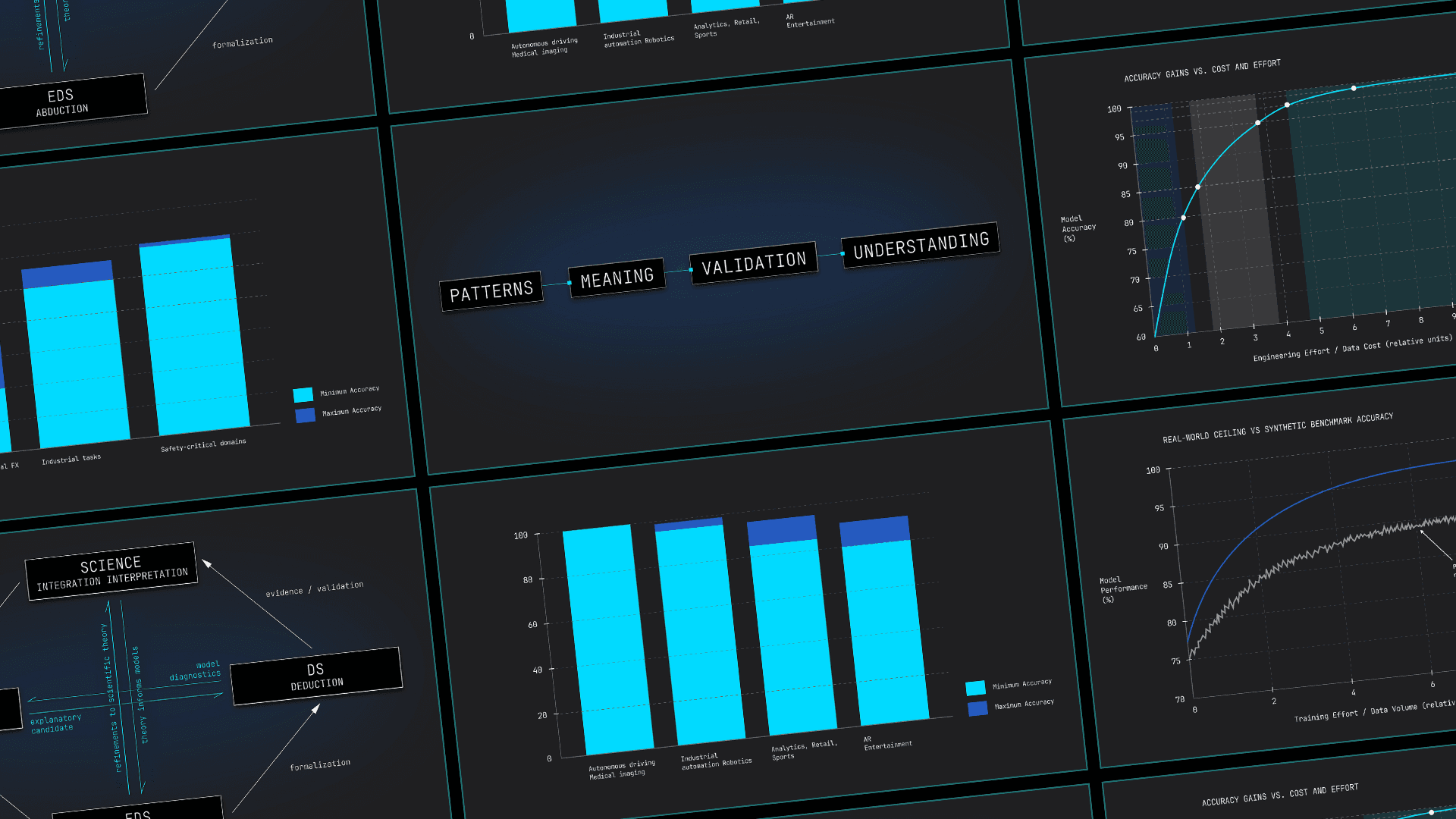
Is Data Science an Actual Science?
Is data science an actual science? Our answer has evolved with the discipline itself: data science is not merely a tool for science—it is science, extended into new domains of perception.

What data does AI need?
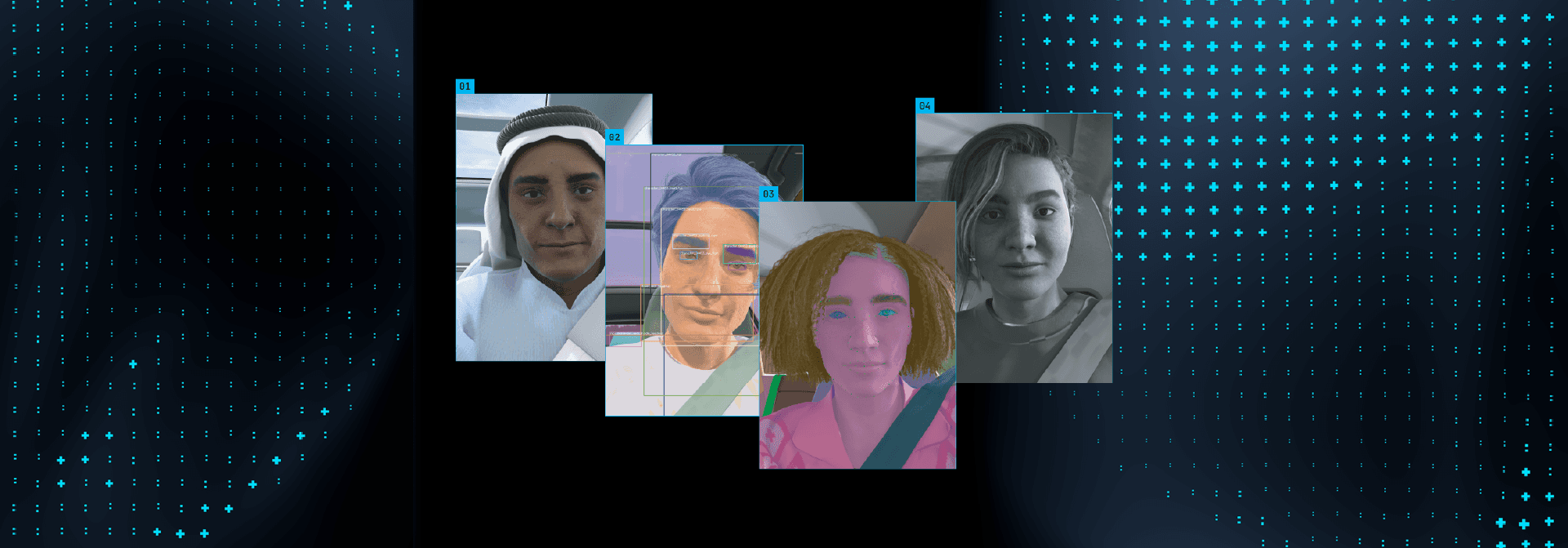
Your computer vision project needs data that’s reliable, accurate, and diverse. But can real-world data alone meet those standards? In this post, we explore why it often falls short and how synthetic data fills the gap.
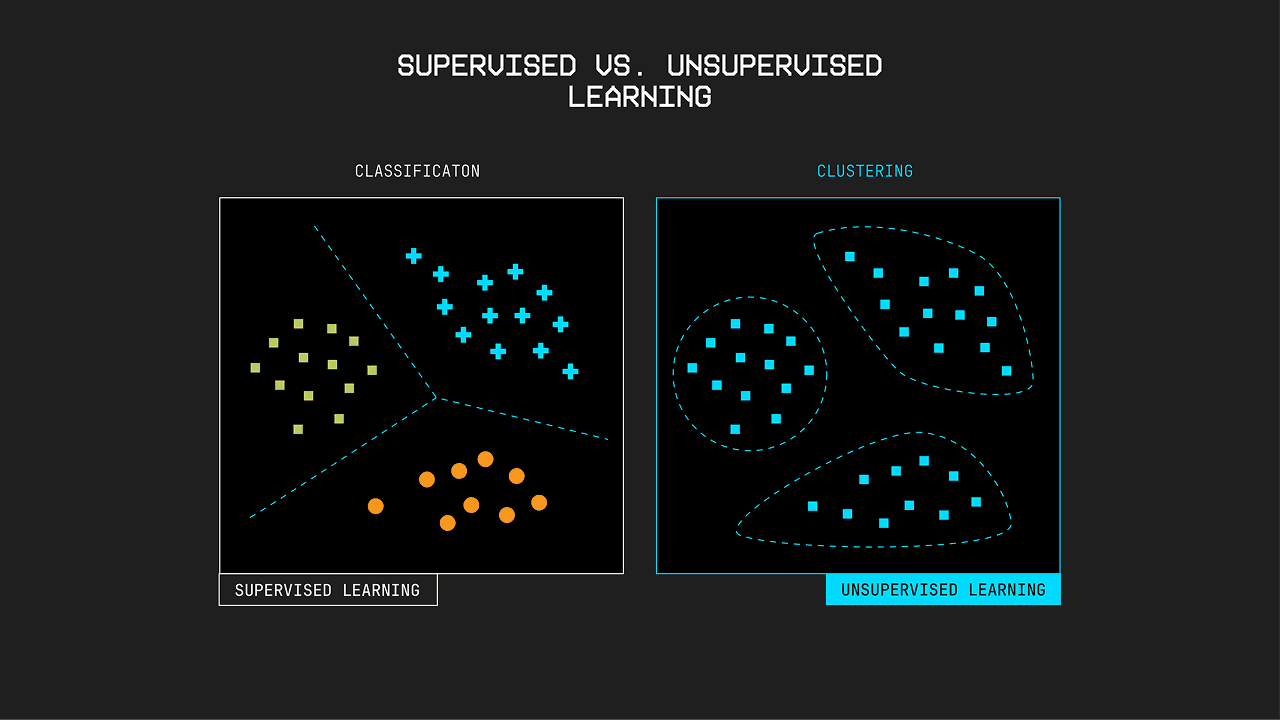
Supervised Learning vs. Unsupervised Learning
Supervised learning is a machine learning approach where models are trained on labeled data, making it ideal for tasks like image classification. In contrast, unsupervised learning leverages statistical models to analyze unlabeled data, uncovering hidden patterns and structures within datasets.
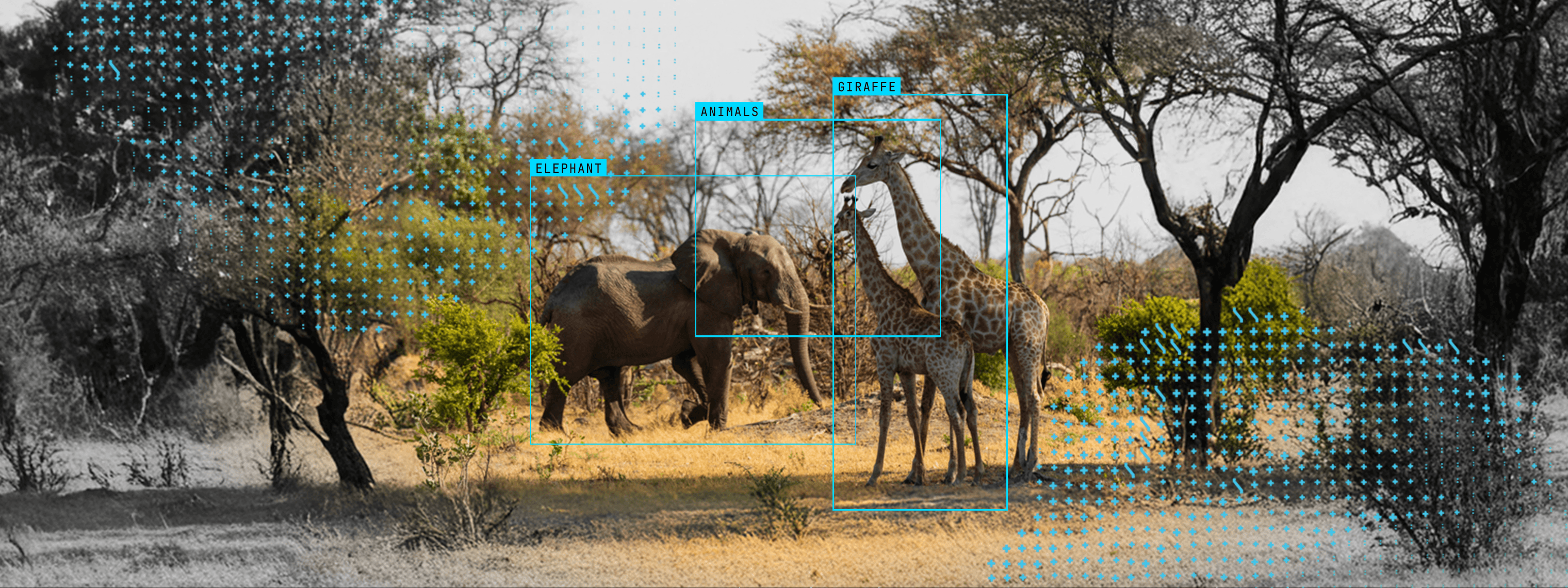
What is Transfer Learning?
Assume you have an issue you want to tackle with computer vision but just a few images to base your new model on. What are your options?
What is a neural network?
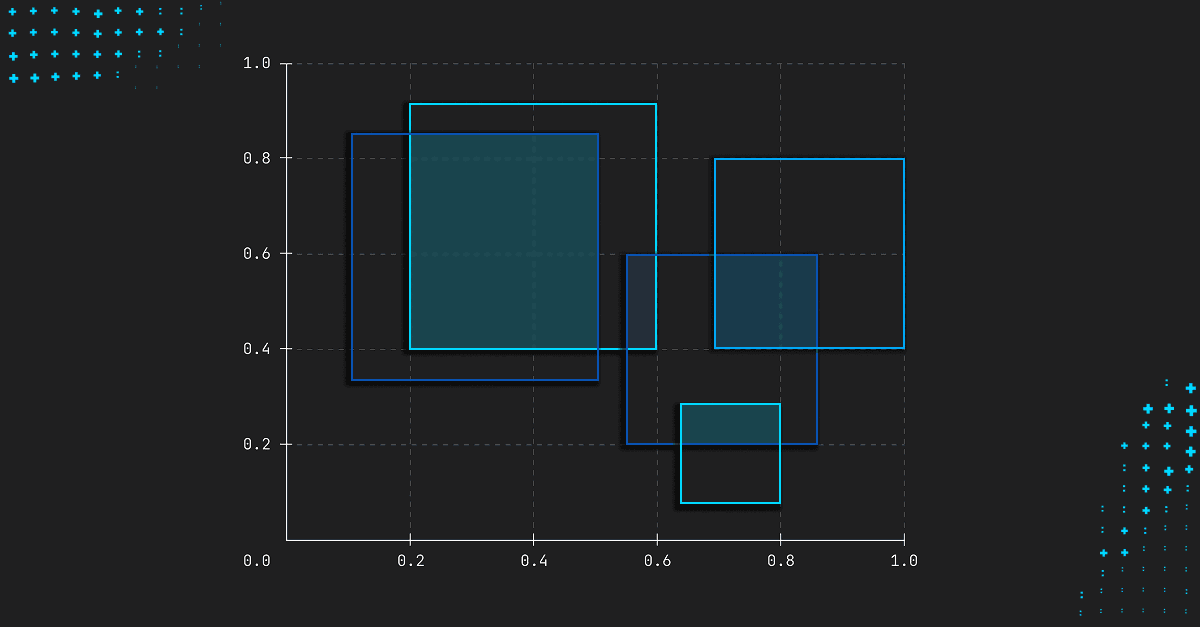
The development of neural networks is an active subject of study, as academics and businesses attempt to find more efficient ways to handle complicated problems using machine learning.
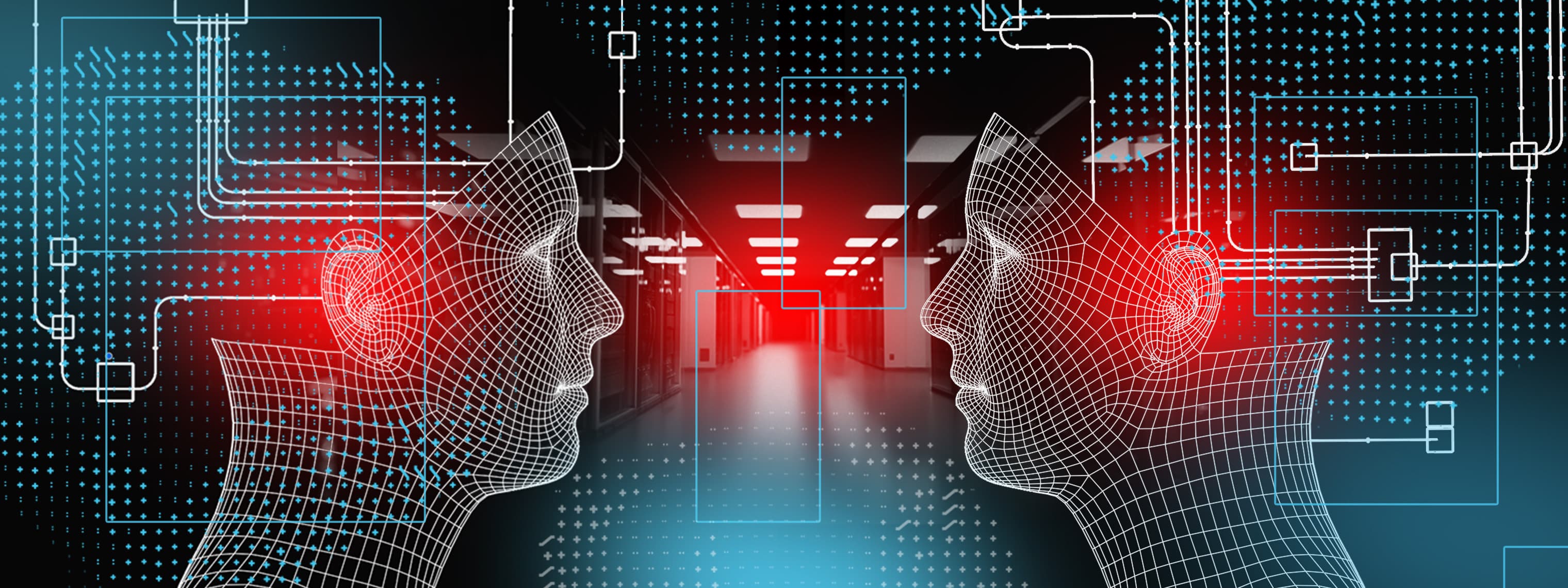
What is Knowledge Distillation?
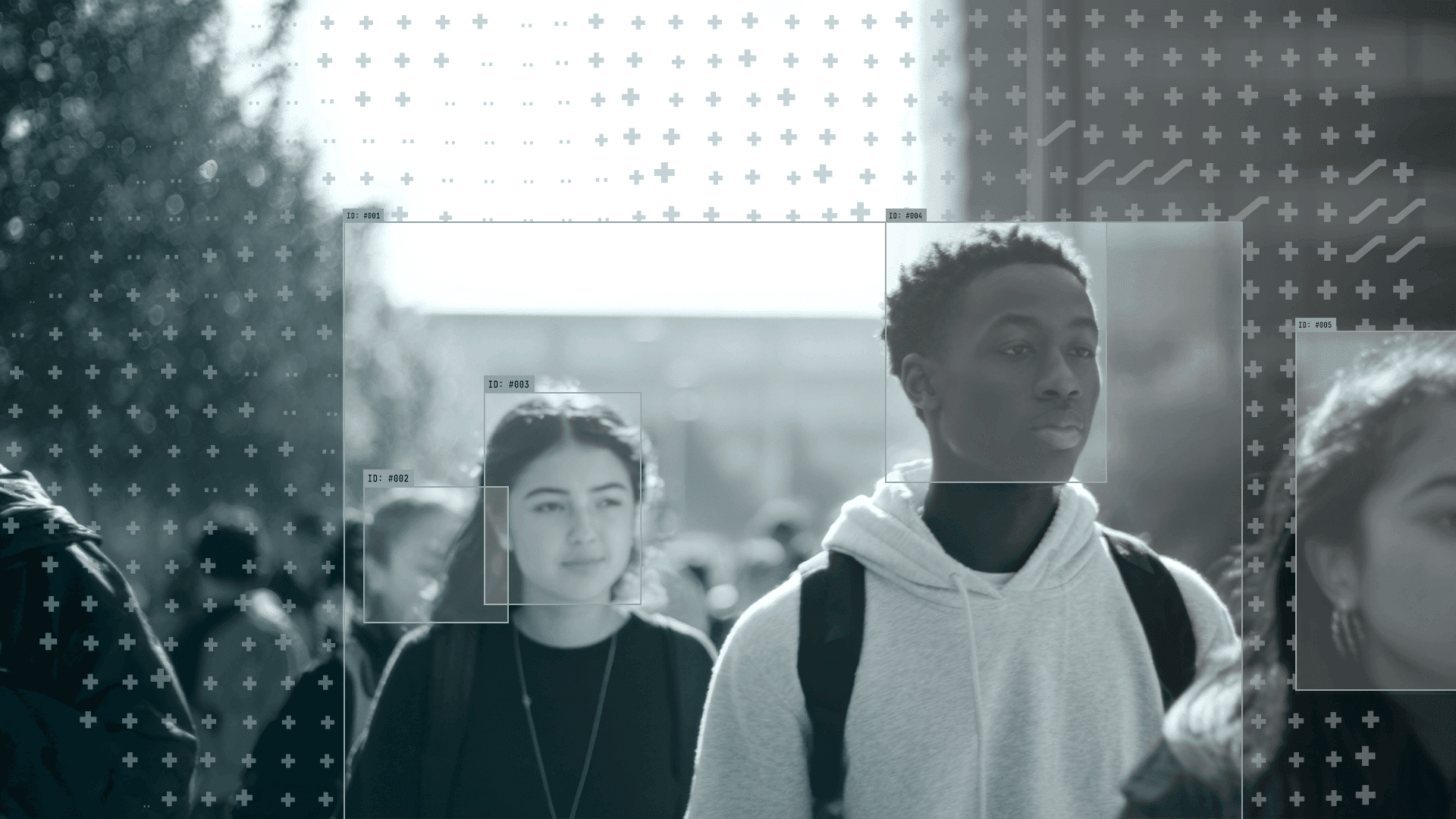
Deep neural networks have grown in popularity for a variety of applications ranging from recognising items in images using object detection models to creating language using GPT models. Deep learning models, on the other hand, are frequently huge and computationally costly, making them challenging to deploy on resource-constrained devices like mobile phones or embedded systems. Knowledge distillation solves this issue by condensing a huge, complicated neural network into a smaller, simpler one while retaining its performance.