Beyond RGB: The Rise of Hyperspectral Rendering and Synthetic Data
Hyperspectral and multispectral imaging expose what RGB cannot: the continuous variation of light across wavelengths.
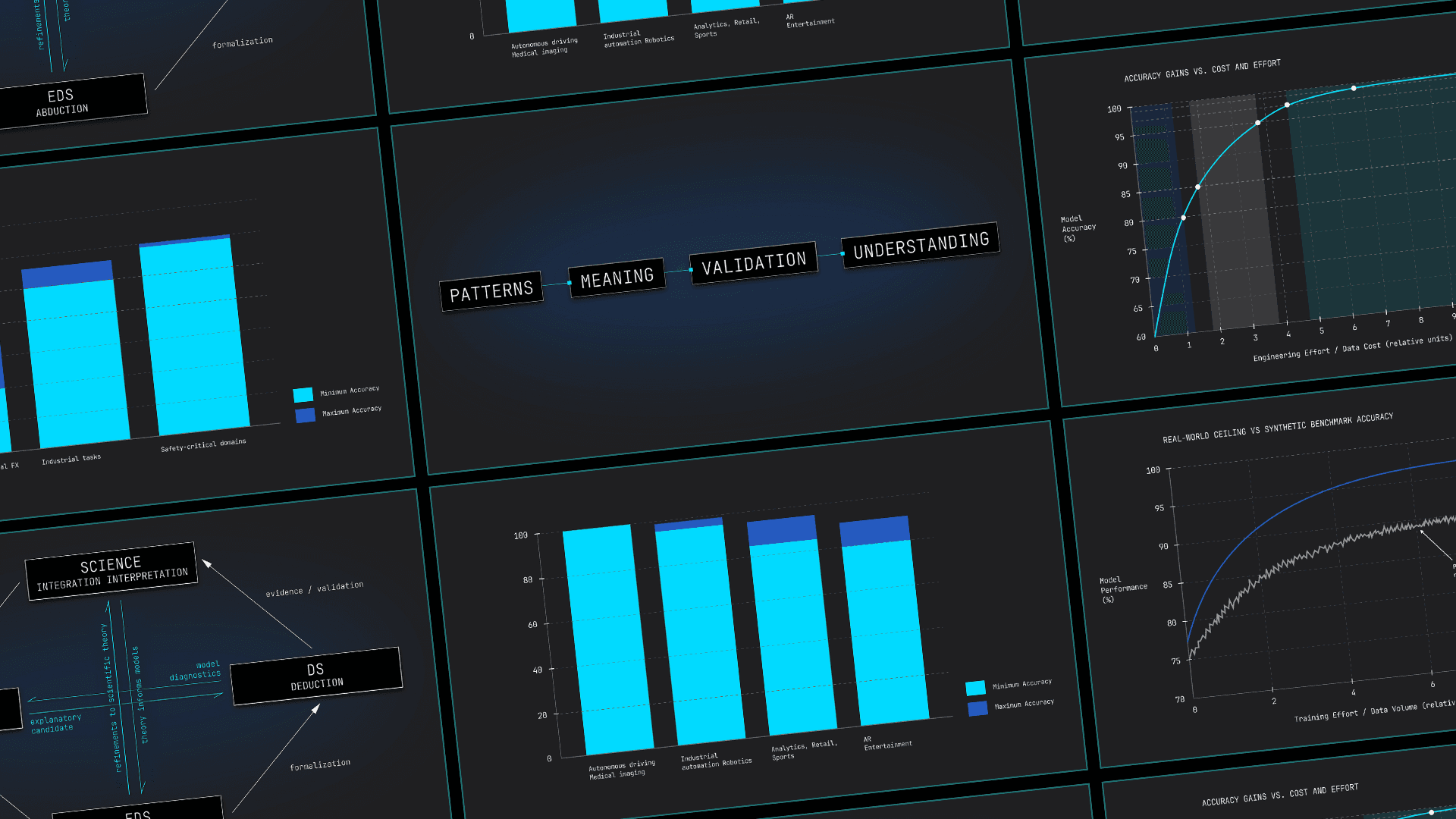
With What Accuracy Levels Can We Get Away in Computer Vision?
There’s no magic number. No single threshold that separates “good” from “bad.” 80%, 90%, 99% — these values mean nothing until you define the context: dataset complexity, operational risk, and task type.
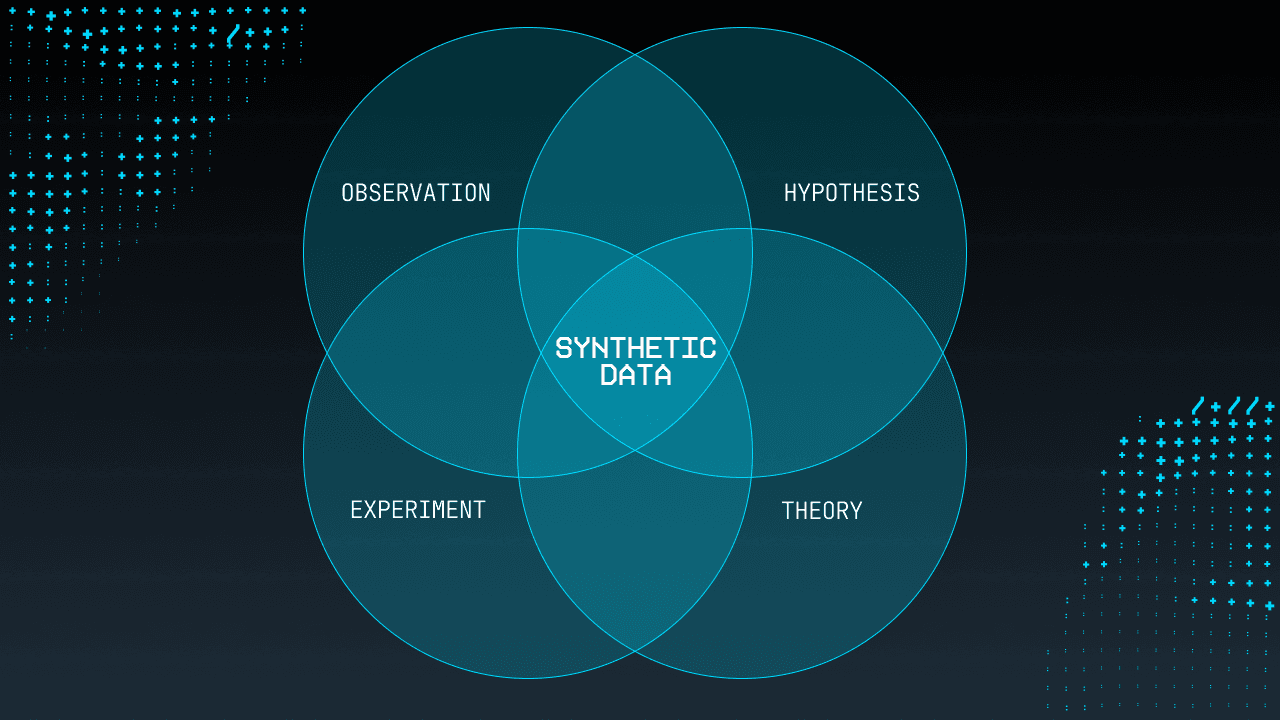
Is Data Science an Actual Science?
Is data science an actual science? Our answer has evolved with the discipline itself: data science is not merely a tool for science—it is science, extended into new domains of perception.
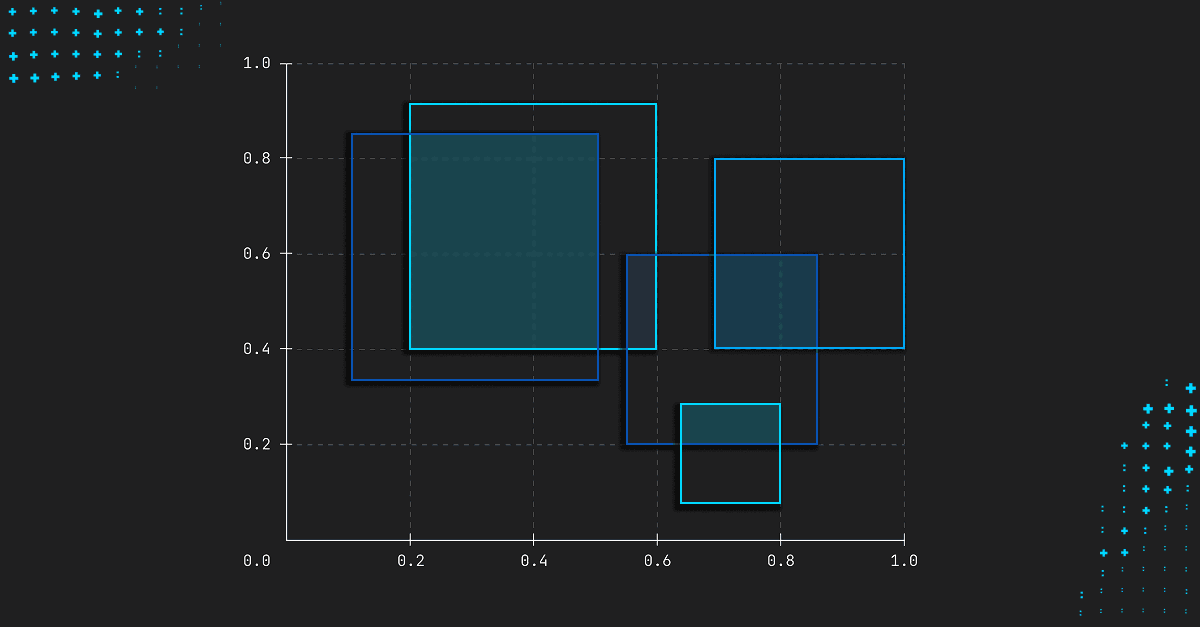
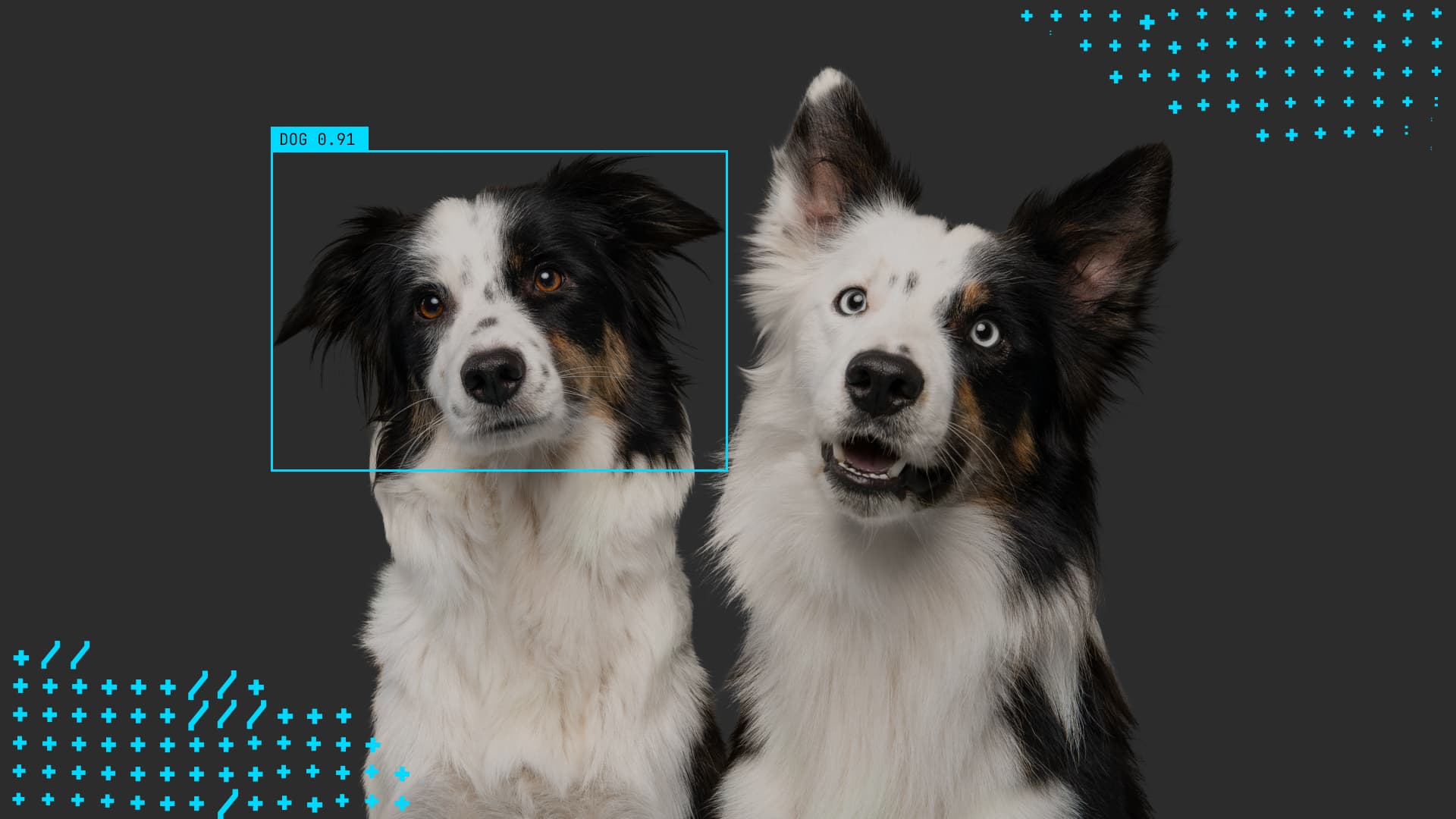
Metrics in Data Science: Beyond the Basics
This article covers the fundamental metrics everyone learns early on, and then pushes further into the advanced territory where models meet reality: image segmentation, object detection, and model drift over time. That’s where evaluation becomes not only technical, but mission-critical.

What data does AI need?
Your computer vision project needs data that’s reliable, accurate, and diverse. But can real-world data alone meet those standards? In this post, we explore why it often falls short and how synthetic data fills the gap.
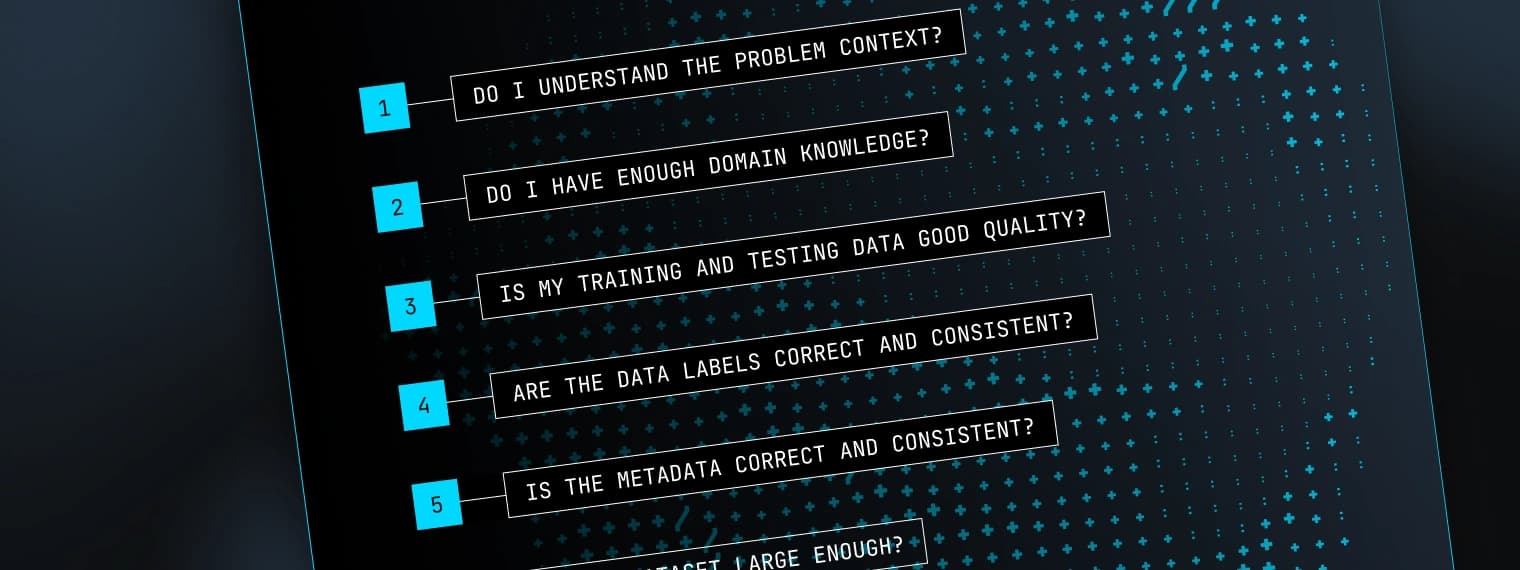
12 Questions to Ask Yourself When Your Machine Learning Model is Underperforming
According to our Head of Research, Kamil Szelag, PhD, data scientists often spend 80% of their time preparing and refining datasets, and only 20% on model development and tuning. Below is a practical, technical checklist designed to help you debug underperforming models and realign development efforts more effectively.
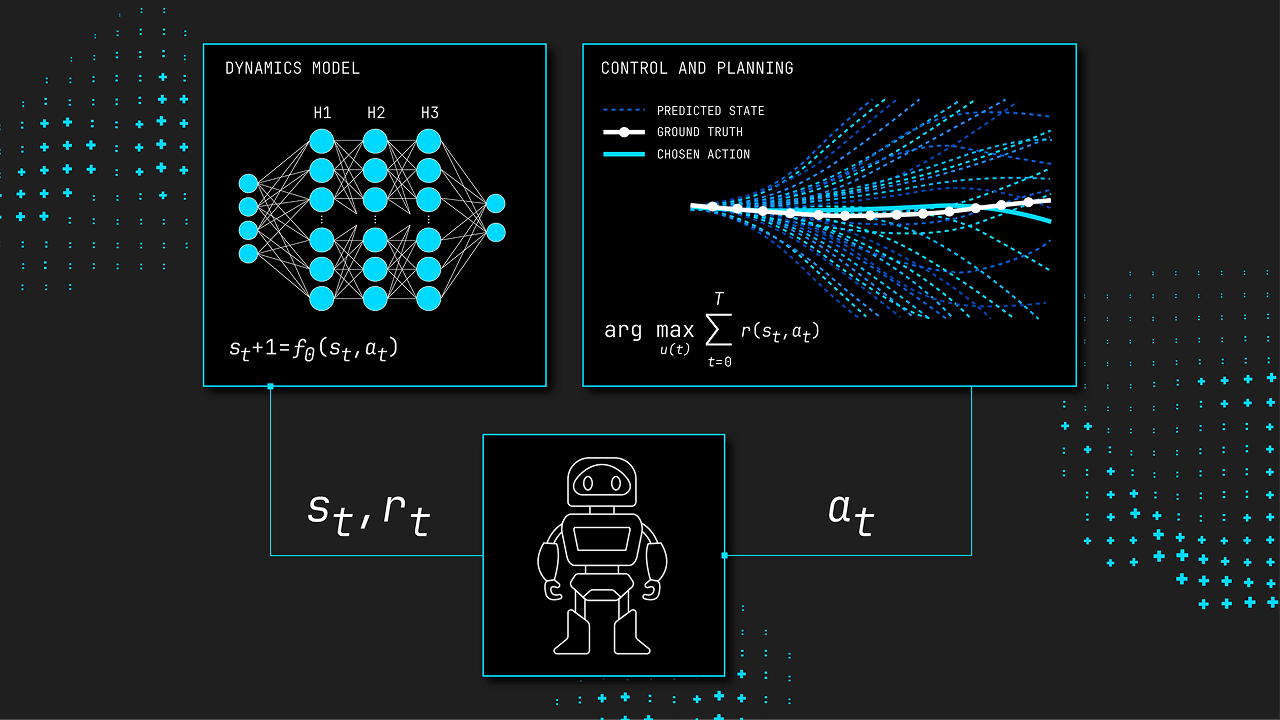
What is Hyperparameter Tuning?
The goal of hyperparameter tuning is to fine-tune the hyperparameters so that the machine can build a robust model that performs well on unknown data. Effective hyperparameter adjustment, in conjunction with excellent feature engineering, may considerably improve model performance.
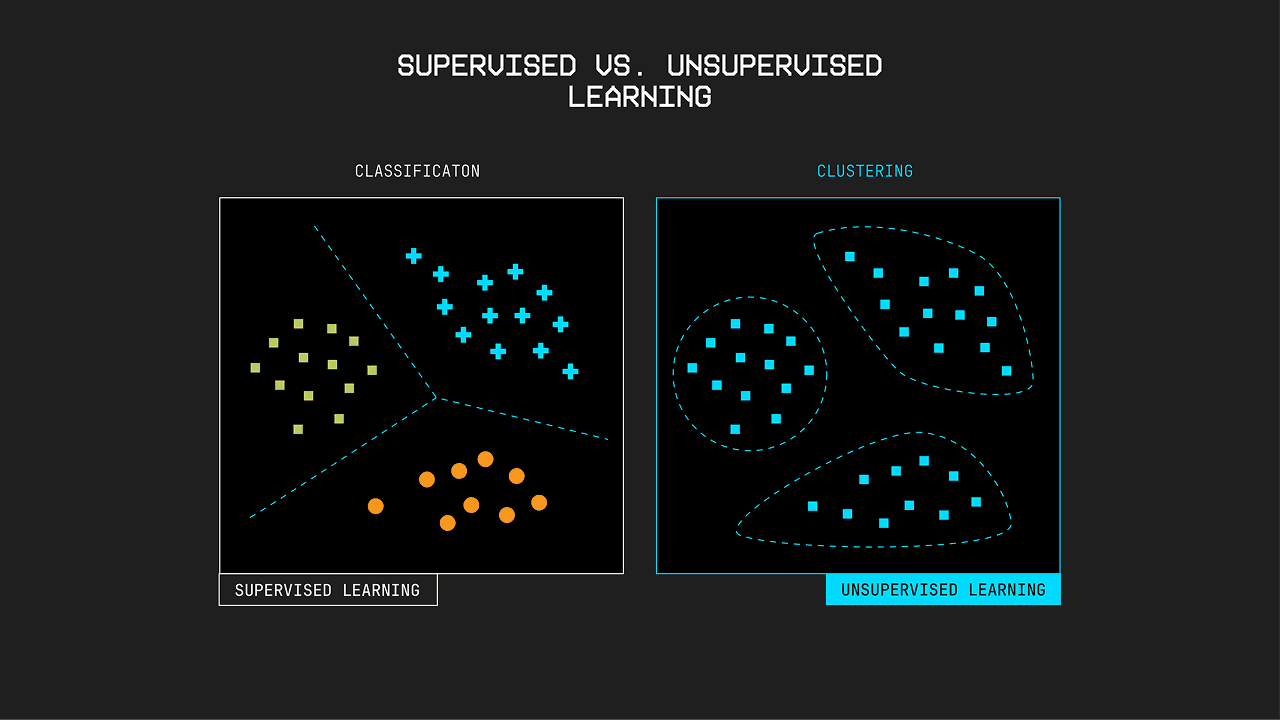
Supervised Learning vs. Unsupervised Learning
Supervised learning is a machine learning approach where models are trained on labeled data, making it ideal for tasks like image classification. In contrast, unsupervised learning leverages statistical models to analyze unlabeled data, uncovering hidden patterns and structures within datasets.
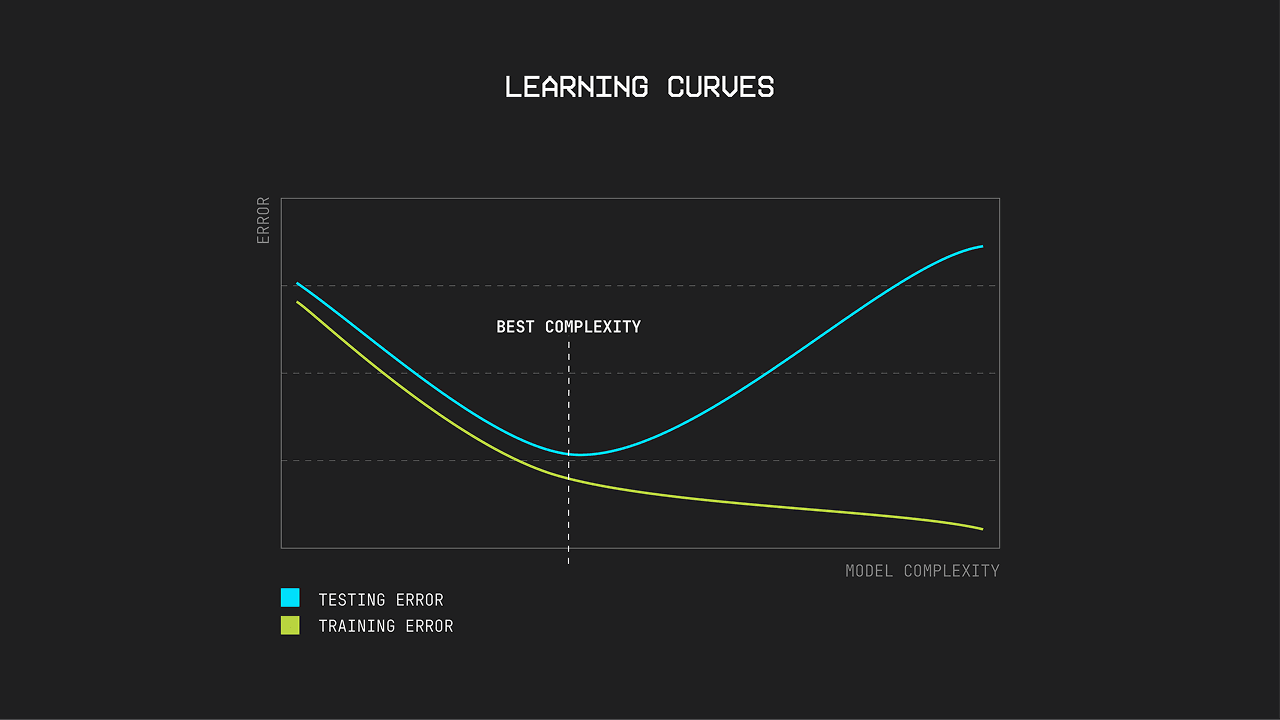
Using Learning Curves to Analyse Machine Learning Model Performance
Learning curves are a common diagnostic tool in machine learning for algorithms that learn progressively from a training dataset. After each update during training, the model may be tested on the training dataset and a hold out validation dataset, and graphs of the measured performance can be constructed to display learning curves.

What is StyleGAN-T?
StyleGAN-T is a text-to-image generation model based on the architecture of the Generative Adversarial Network (GAN). GAN models were obsolete with the arrival of diffusion models into the picture generation space until StyleGAN-T was released in January 2023.
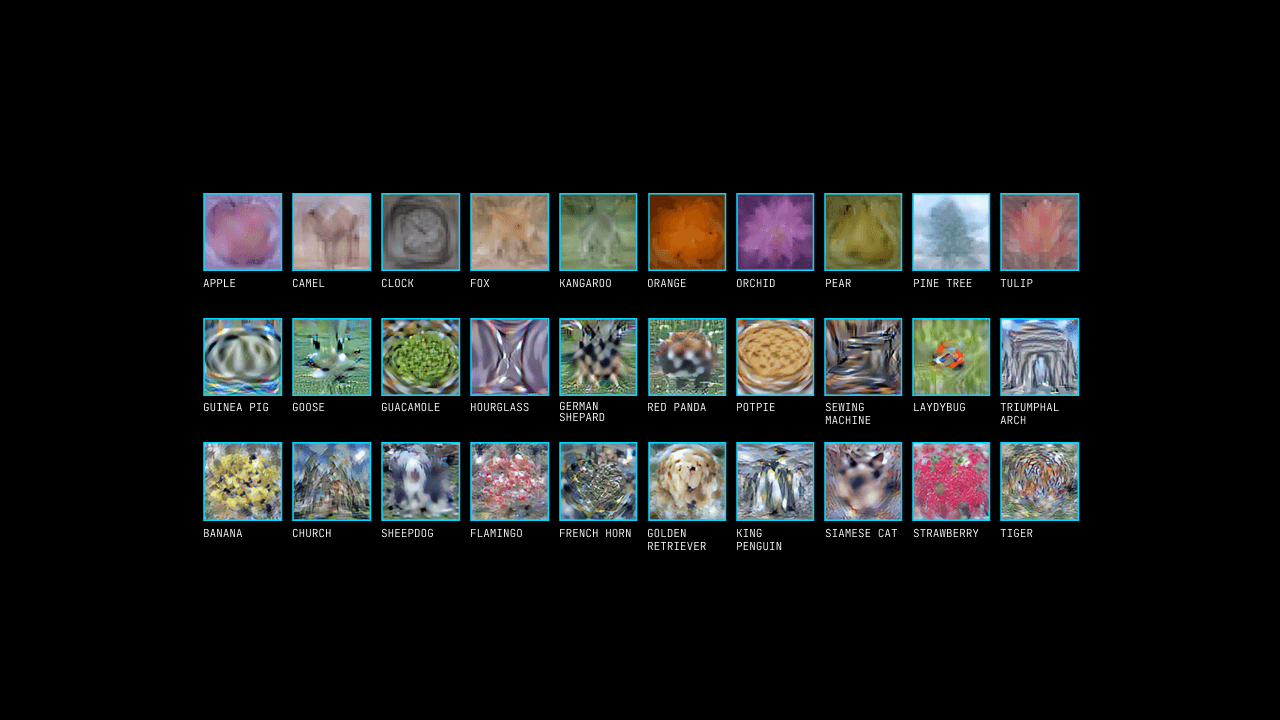
What is Dataset Distillation?
Dataset Distillation is the process of choosing a subset of data samples that capture the most essential and representative aspects of the original dataset. It's used to reduce the processing needs of the training operations while retaining critical information.